2013-2020 Nissan Rogue Oil and Oil Filter Replacement
ID: 154793
Description: In this guide, I will show all the necessary...
Steps:
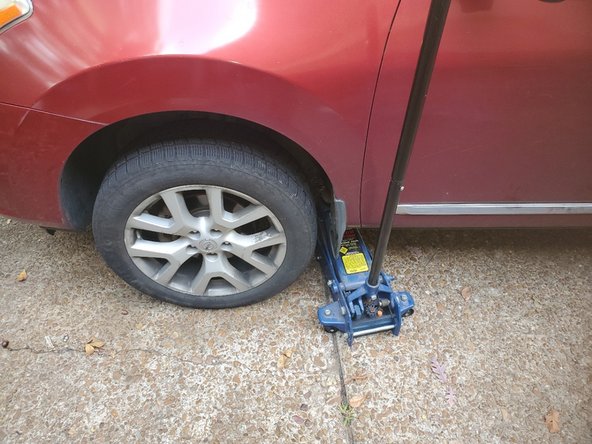
- On a flat, level surface, position the jack behind the front driver-side wheel so that it pushes the car up by the metal frame.
- Place wheel chocks behind the front passenger-side wheel and the rear drive-side wheel.
- Lift the car enough for you to be able to safely fit underneath it then fit the jack stand underneath it.
- Place the jack stand next to where the jack is placed, and extend the jack stand so that it is right under the frame.
- Gently lower the car so that it is resting all of its weight on the jack stand.
- Keep the car jack positioned right under the frame as a back-up.
- Do not get under the car if there is any other person or pet in the vehicle as this can cause the vehicle to fall, leading to serious injury or death.
- For more information on how to lift the car with a jack and use jack stands follow this guide.
- Come to the front of the car.
- Place a mat or cushion underneath the car to lay on.
- Place newspaper or rags beneath the oil drain plug to catch any potential
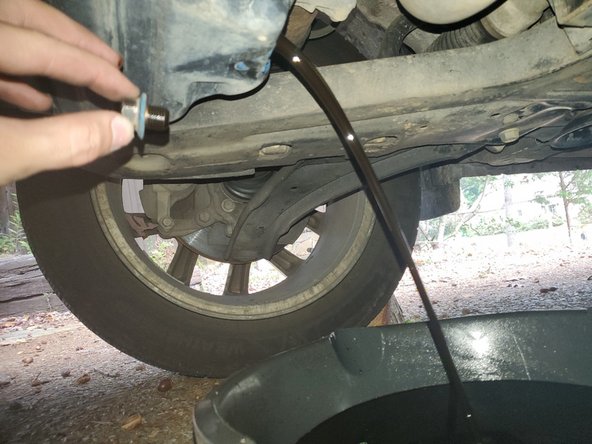
- Center your oil drain pan on the ground beneath the oil drain plug.
- With your 14 mm socket attached, use the socket ratchet wrench to loosen the oil drain plug by turning it counter-clockwise.
- Once loose, use your hand to fully remove the drain plug.
- You may want to wear latex gloves to avoid getting oil on your hands.
- Wait a few minutes for the majority of the oil to drain into the pan.
- Reinstall the oil drain plug.
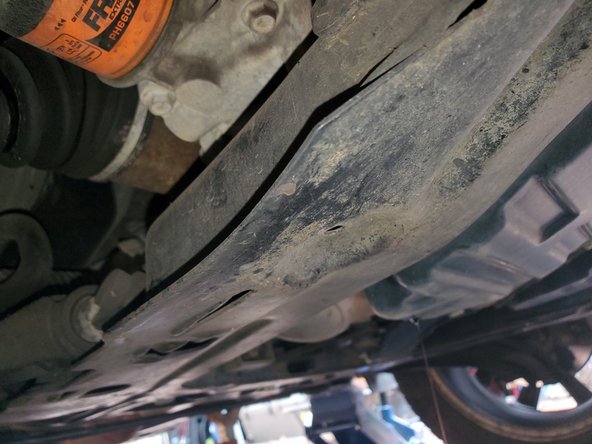
- Locate the oil filter behind the trim plastic on the passenger-side of the car.
- Position the oil drain pan under the oil filter.
- Slowly remove the oil filter by hand, or with a strap wrench if necessary.
- Allow the oil to drain from the oil filter into the drain pan.
- Once most of the oil has stopped leaking from the oil filter, remove it completely.
- Place old oil filter to the side on some paper towels to avoid spill.
- Put some new or old oil on the rubber gasket of the new oil filter to create a better seal.
- Screw on the new oil filter by hand until snug.
- Be sure not to overtighten the filter, or it will be near-impossible to remove come your next oil change.
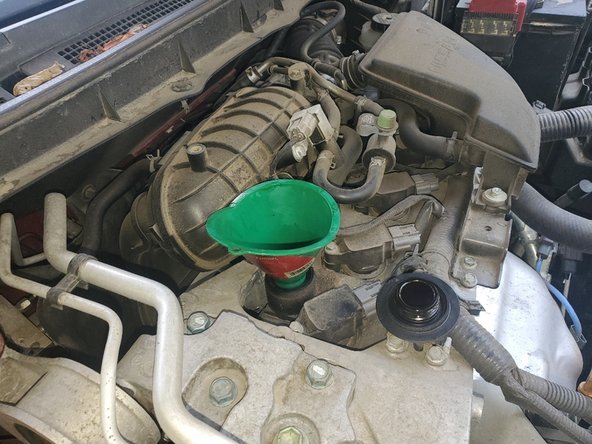
- Remove the engine oil cap and place a funnel inside.
- Slowly pour 4.9 quarts of SAE 5W-30 oil into a funnel placed in the oil fill hole.
- Do not overfill with oil.
- Pull the oil dip stick all the way out and, without checking, wipe it clean with a paper towel.
- Place the dip stick back.
- Pull the dip stick out again and verify the oil level.
- It should come up to right below the second hole from the tip.
- Add oil as needed.
- Remove all parts and tools from underneath the car.
- Use the jack to raise the car off of the jack stand(s).
- Remove the jack stand(s).
- Gently lower the car back onto the ground.
- Enter the car.
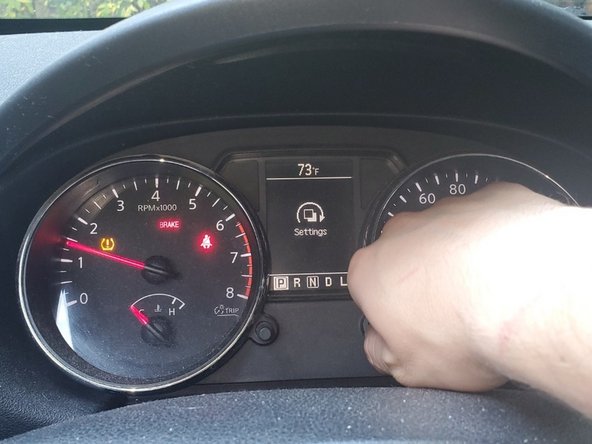
- On the dash board, use the right selector wheel and rotate it until the settings page is shown.
- Press the selector peg.
- With the selector peg, rotate the highlighted option to "maintenance."
- Press the selector peg.
- Scroll to "service" and press the peg.
- Scroll to "reset" and press the peg.
- Gently pull the oil drain pan out from under the car with care not to spill.
- Use a funnel to pour the used oil into an oil safe, sealable container if your oil pan is not sealable.
- Allow 12-24 hours for all of the oil to drain out of the old oil filter.
- Most auto parts stores and repair shops accept these at no charge to you. In addition, some cities and/or counties have a service where they will collect used oil and filters from your home. For more information, see the American Petroleum Institute's web page on used motor oil collection and recycling.
- Do not dispose of the used oil in the trash or down a drain. It's terrible for the environment, and illegal!