How to Prevent Mold in your Coffee Machine
ID: 173181
Description: Keeping your coffee machine mold-free ensures...
Steps:
- Unplug and Cool Down: Ensure the coffee machine is unplugged and cool before cleaning.
- Prepare Cleaning Solution: Mix a small amount of liquid soap with water to create a soapy solution.
- Clean the Machine:
- Dampen a cleaning cloth or sponge with the soapy solution.
- Wipe down the interior and exterior of the coffee machine.
- Focus on mold-prone areas such as the water reservoir and brewing components.
- Pay attention to nooks and crannies where mold can hide.
- Rinse: Thoroughly rinse the cloth or sponge to remove soap residue.
- Wipe Again: Use a clean, damp cloth to wipe down the coffee machine, removing any remaining soap.
- Dry: Allow the coffee machine to air dry completely before plugging it back in.
- Regular Cleaning: Make it a habit to clean your coffee machine regularly.
- Daily Care: Empty and rinse the water reservoir daily.
- Periodic Cleaning Cycle: Run a cleaning cycle periodically.
- Overnight Care: Leave the machine’s drawer for coffee grounds slightly open overnight or during extended periods of non-use to prevent mold growth.
- Empty Filters and Pads: Remove used coffee filters or pods immediately after use.
- Daily Emptying: Empty and rinse the coffee grounds container and drip tray daily.
- Use Cleaning Programs: Follow the machine’s cleaning program recommendations.
- Brewing Unit Maintenance: For fully automatic machines, rinse and dry the brew group regularly.
- Manufacturer's Recommendation: Always use the descaling product recommended by the manufacturer, especially if the machine has a descaling program. These programs have a fixed duration, and using the correct product ensures effective descaling.
- Risks of Incorrect Products: Using a milder product might not be effective within the program’s duration, while a harsher product can damage the machine by causing corrosive damage to the plastic parts.
- Alternative Descaling Method:
- While vinegar is commonly recommended for descaling, it's not ideal for fully automatic machines as it can cause damage. Instead, use sulfamic acid, which is effective, gentle on seals and metal parts, and safe.
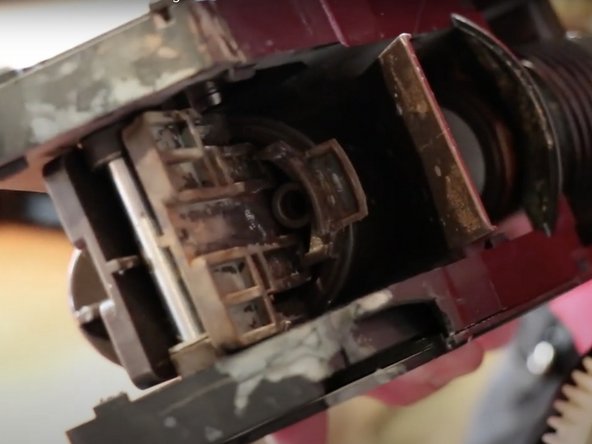
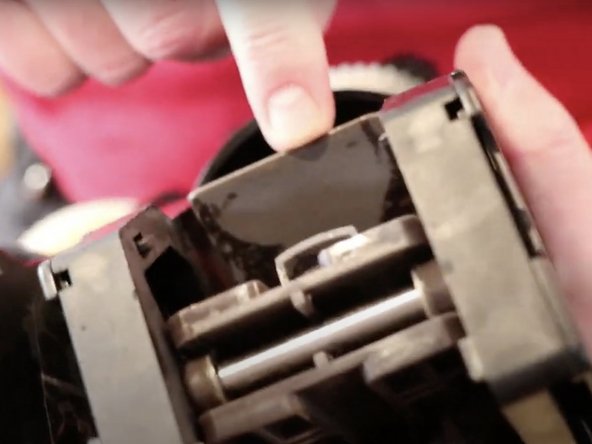
- If you suspect mold in hard-to-reach areas, you'll need to open the machine. You'll find guides on how to do that in the subcategory of your model, here's one example: Open a Saeco Minuto
- Note for DeLonghi appliances: With these machines, the upper brewing piston should be descaled separately.