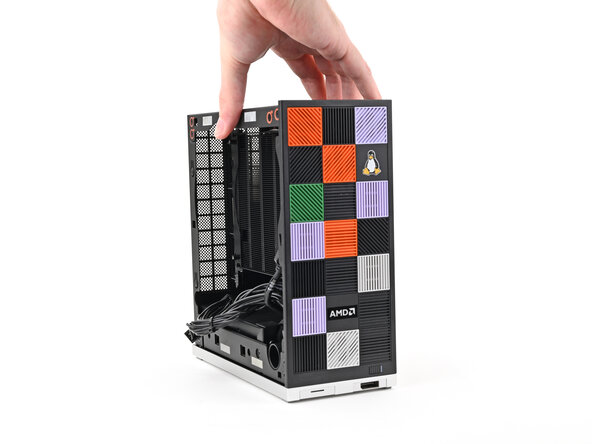
Framework Desktop Power Supply Duct Replacement
ID: 191605
Description: Follow this guide to remove and replace the...
Steps:
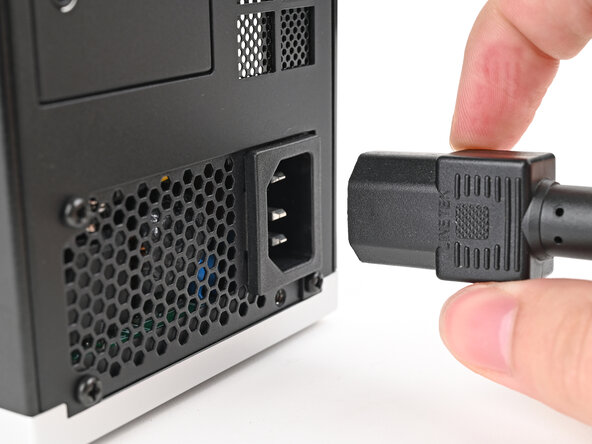
- Before you begin repairs, shut down your Desktop from the operating system and unplug it.
- Wait one minute before continuing to allow your Desktop to fully power down.
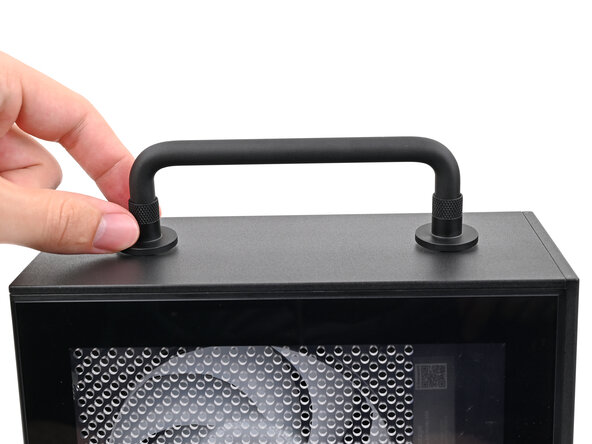
- If you installed the Handle on your Desktop, follow this step. Otherwise, skip it.
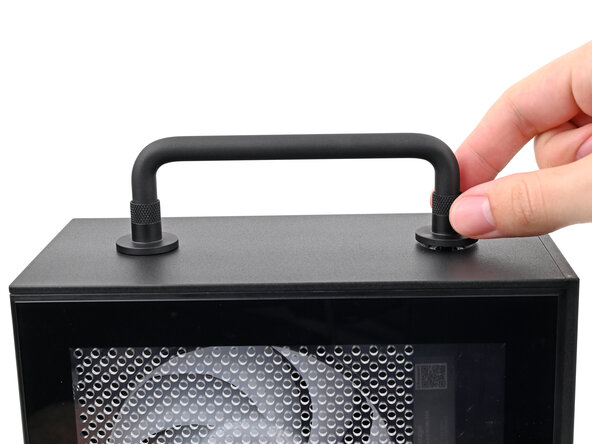
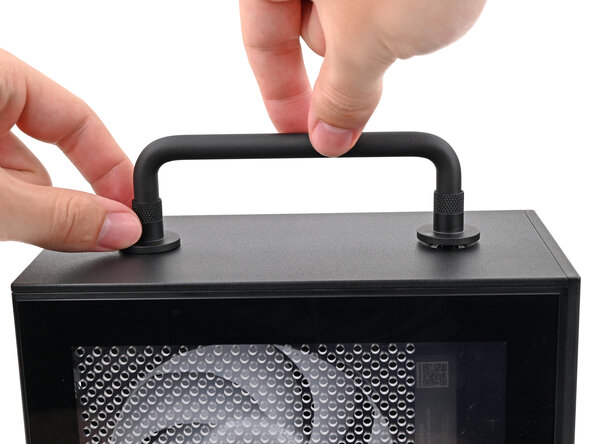
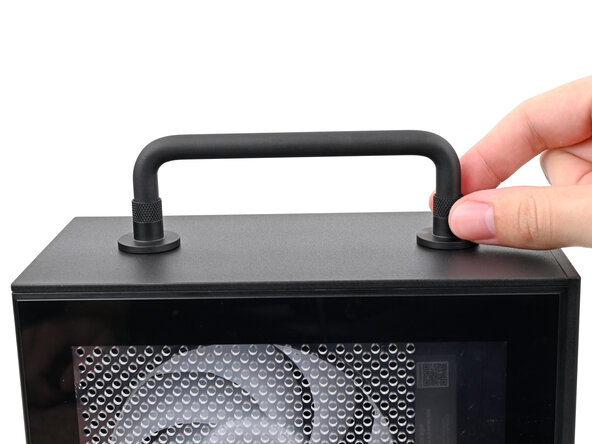
- Rotate the Handle's screw threads counterclockwise on both sides until it comes free.
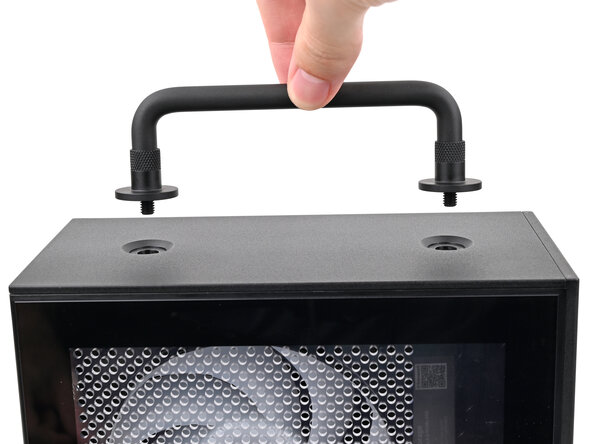
- Remove the Handle.
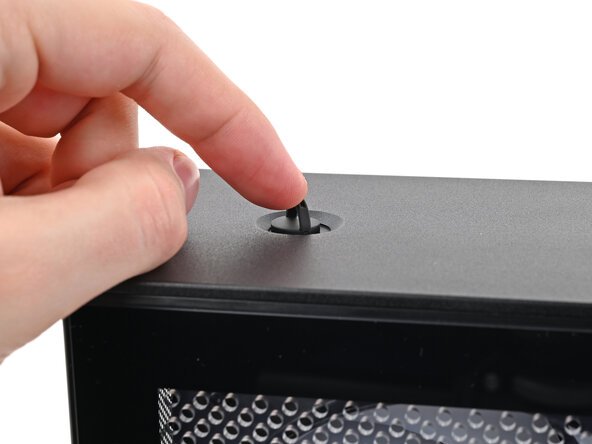
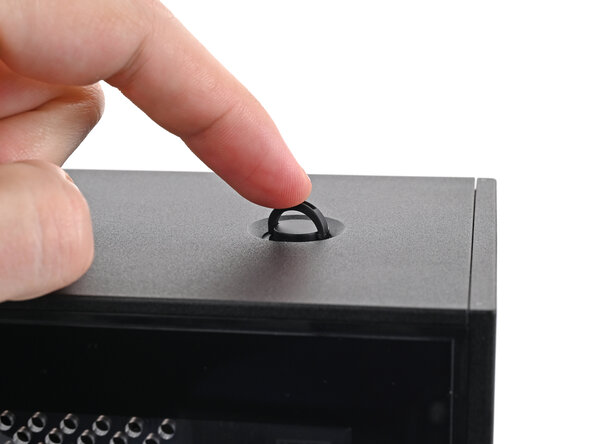
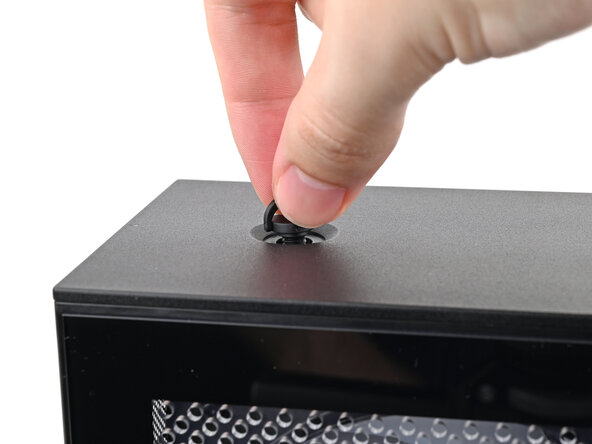
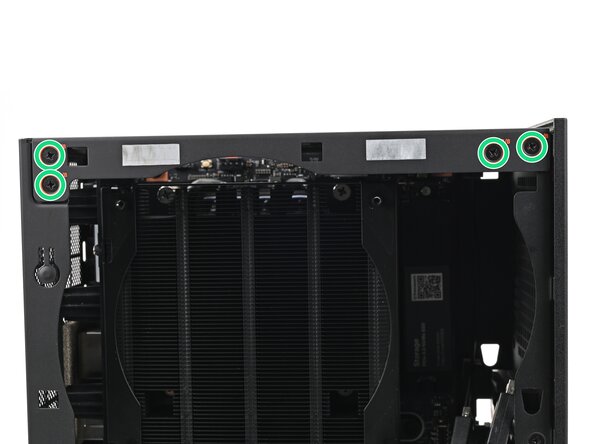
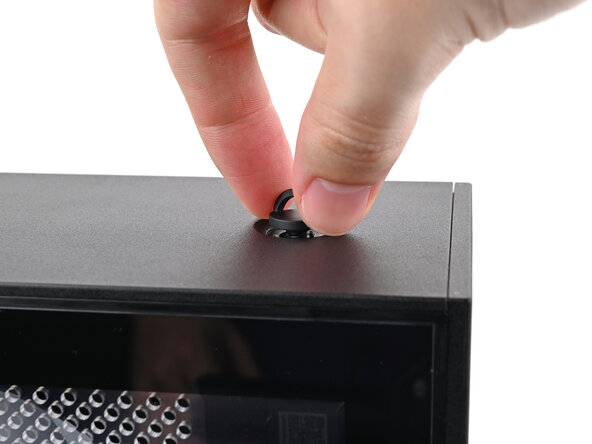
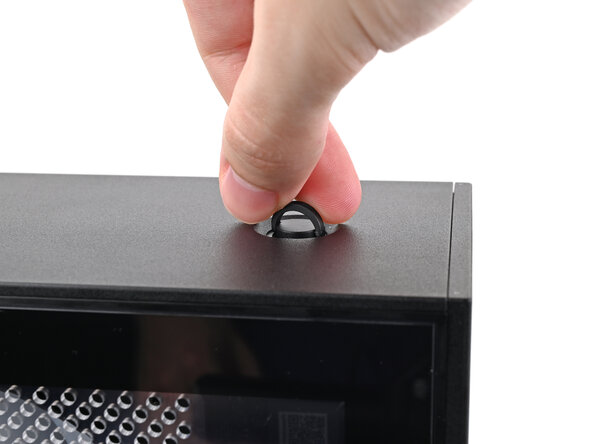
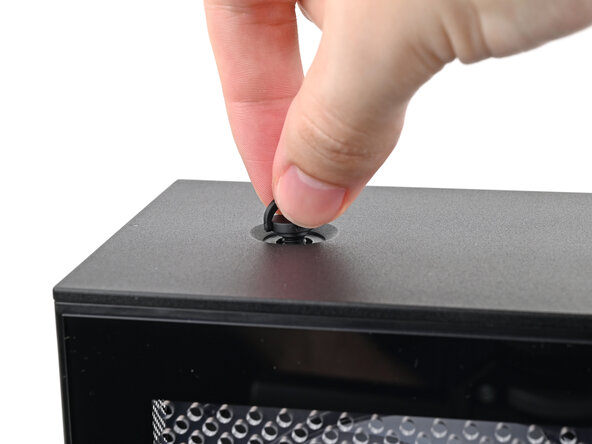
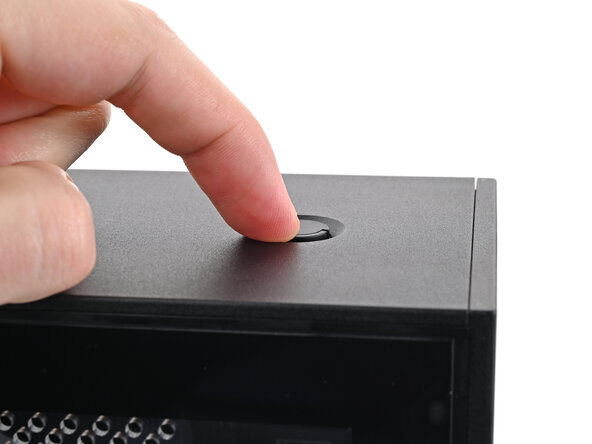
- Use your finger to lift up the two D-rings on the Top Panel screws.
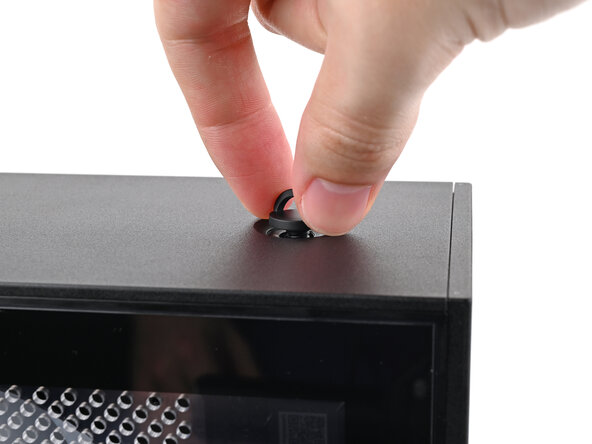
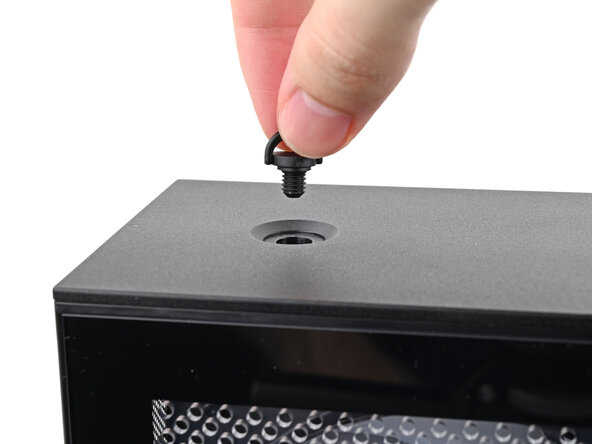
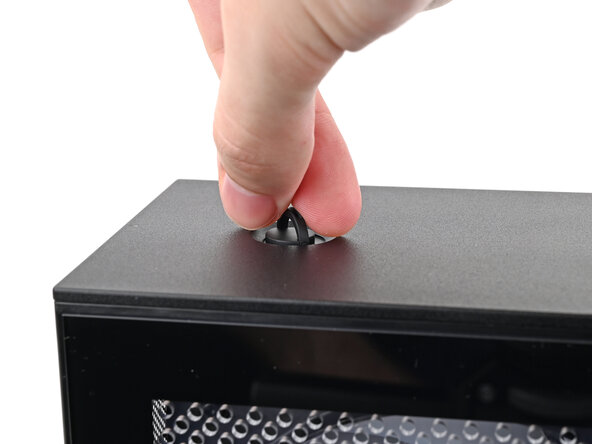
- Use your fingers to twist the screw counter-clockwise and loosen it.
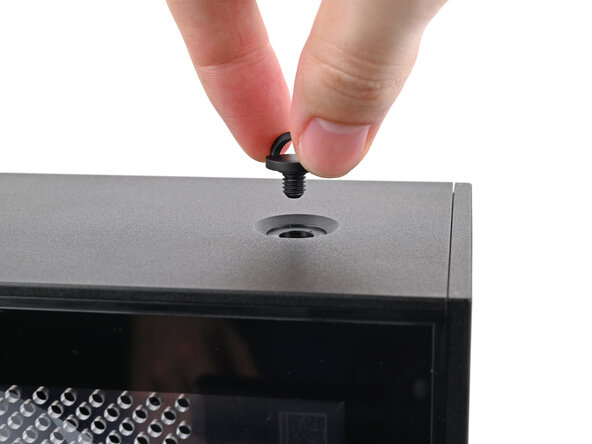
- Remove the Top Panel screw.
- Repeat the same procedure for the other Top Panel screw.
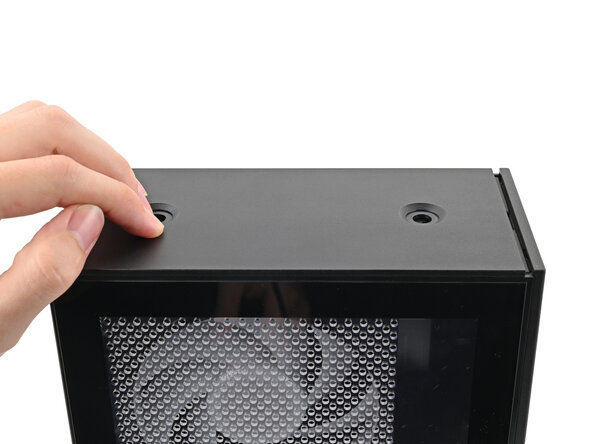
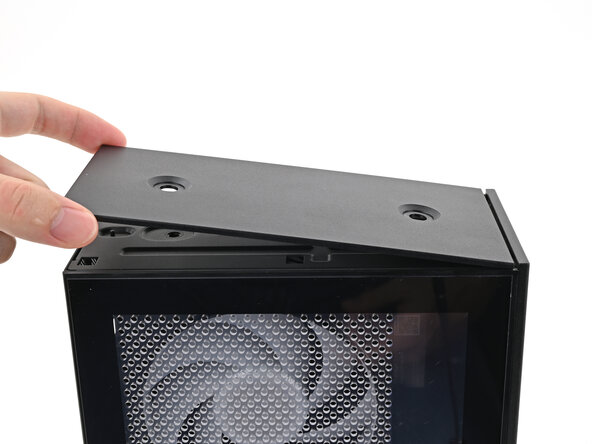
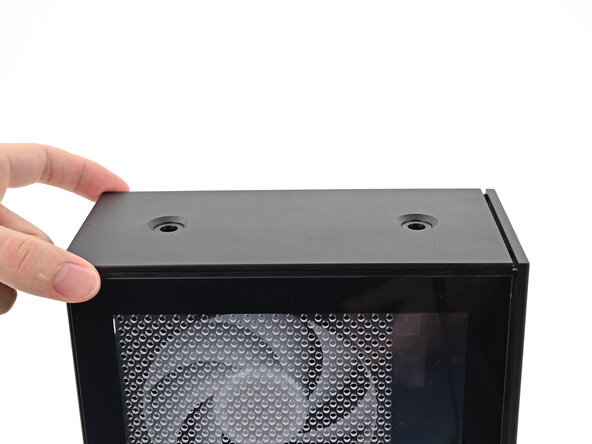
- Slide the Top Panel towards the rear of the computer to release the clips securing it to the chassis.
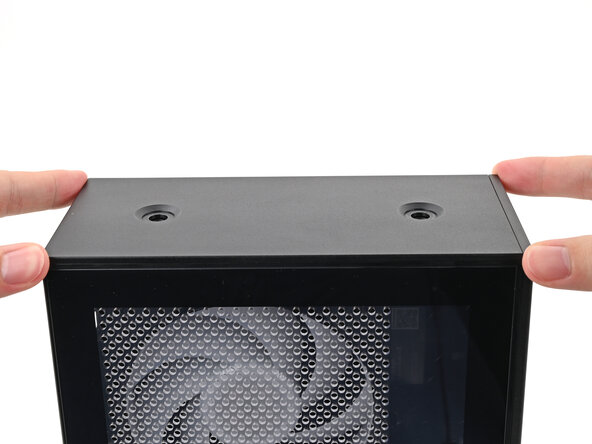
- If you're having a hard time gripping the Top Panel, use the screw holes to get a better handhold.
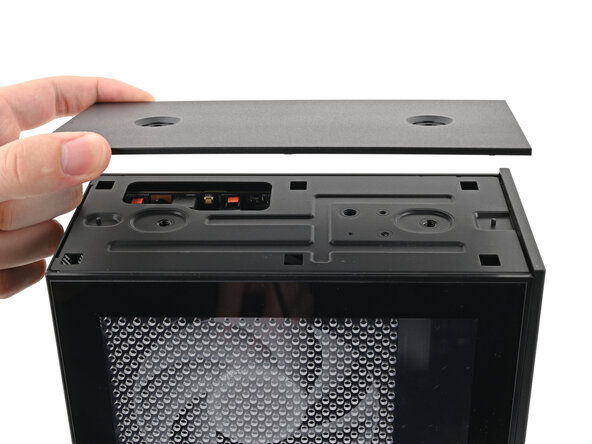
- Lift the Top Panel off the chassis and remove it.
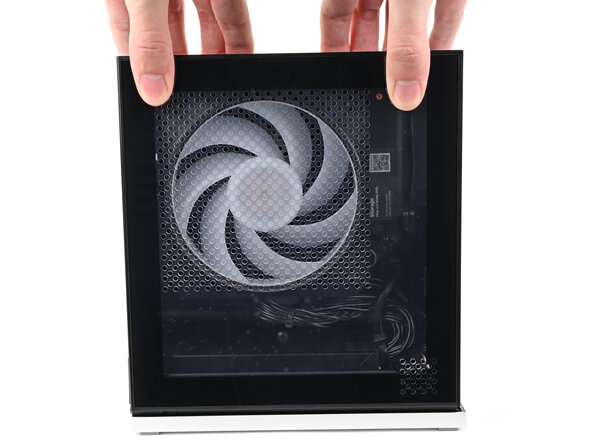
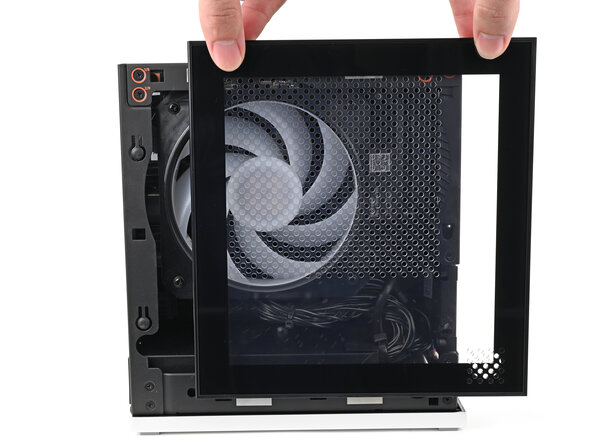
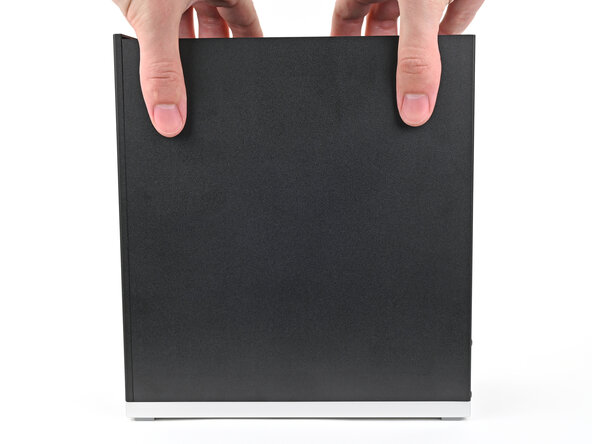
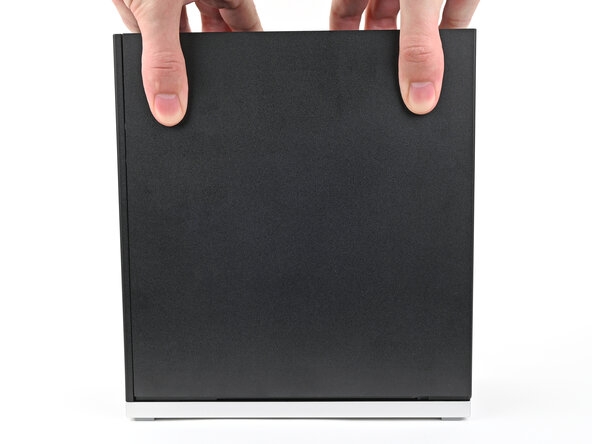
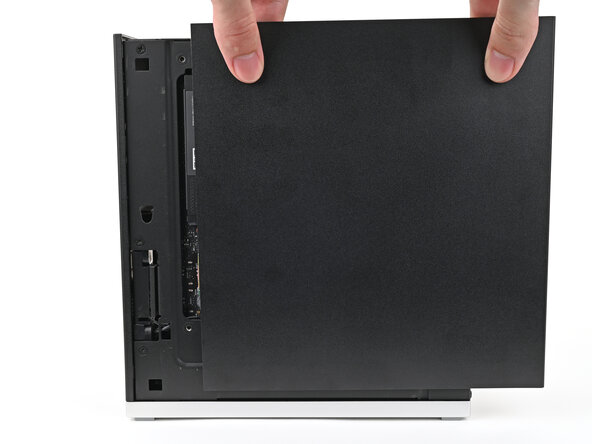
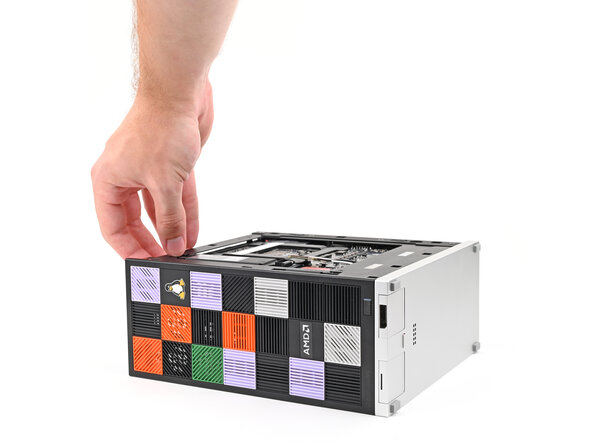
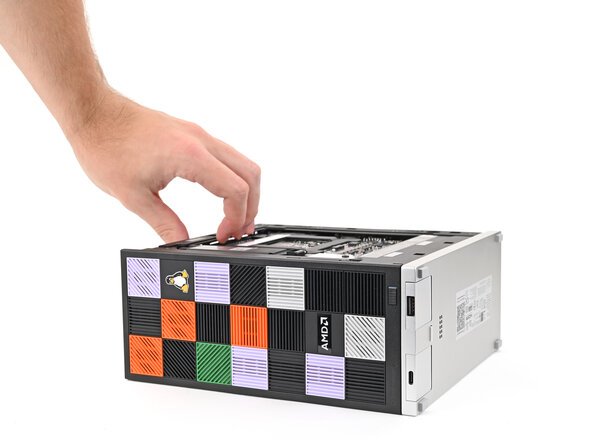
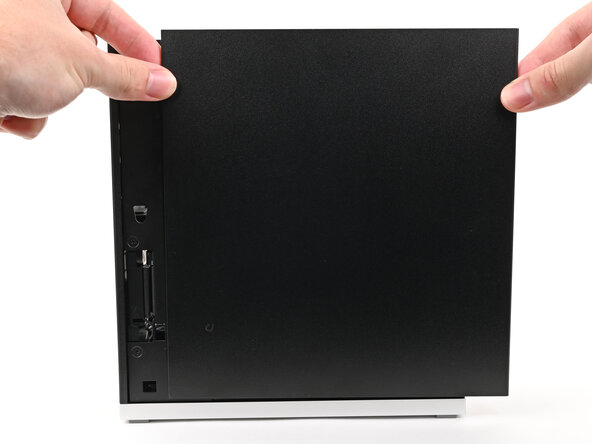
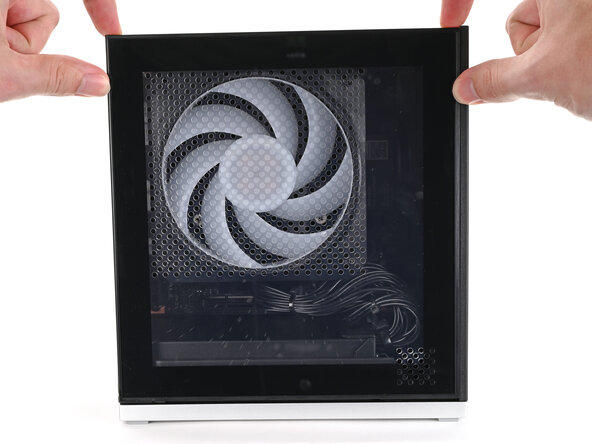
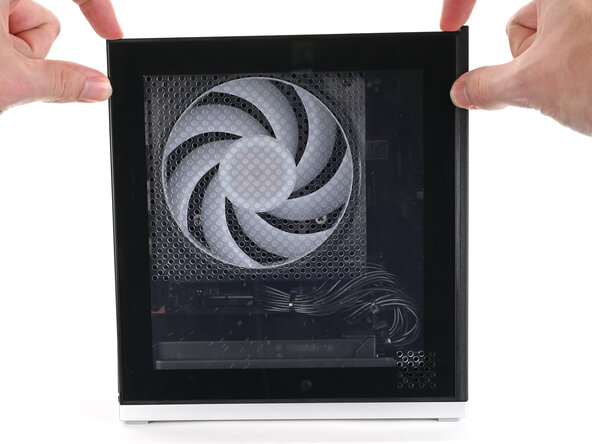
- Use your fingers to grip the top of the Left Panel and slide it upward to release its clips.
- Remove the Left Panel.
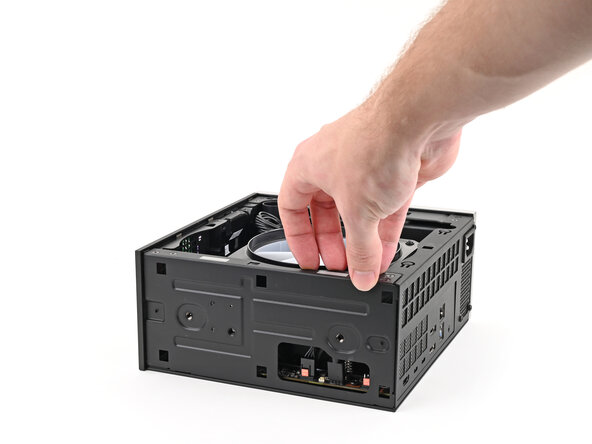
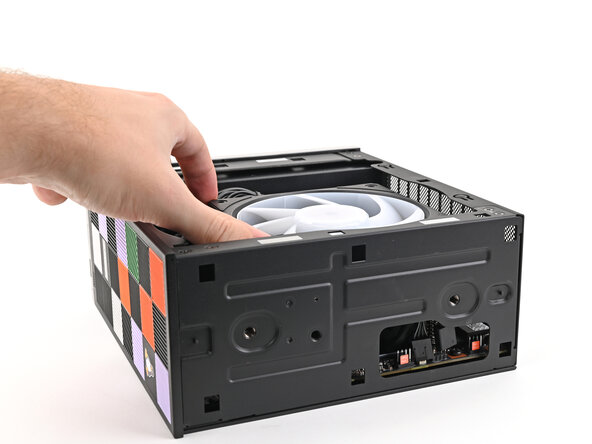
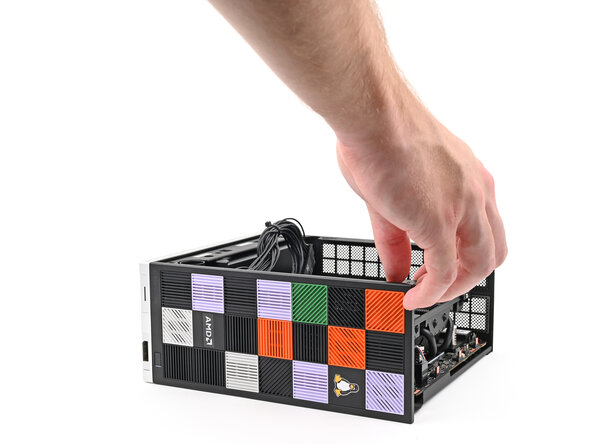
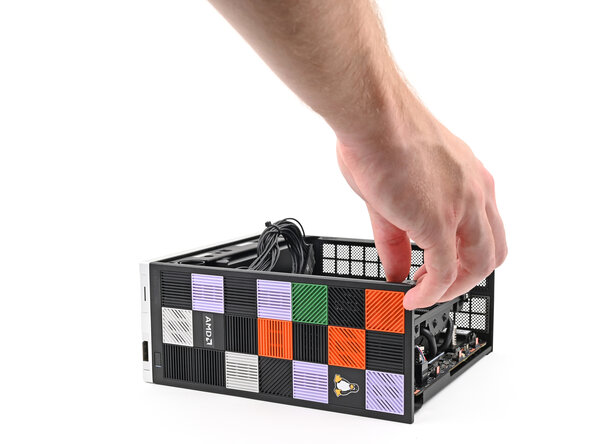
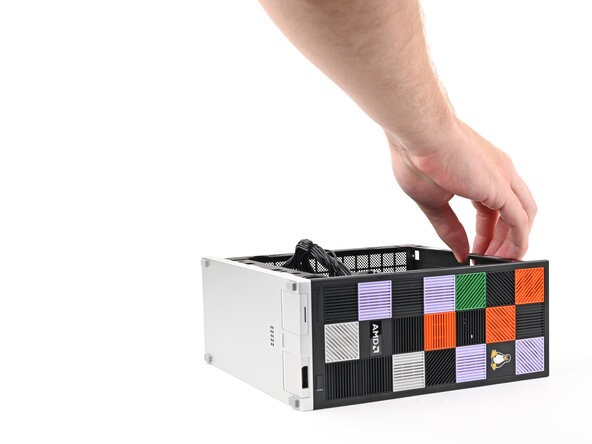
- Lay down the Desktop on its side so the fan is facing upward.
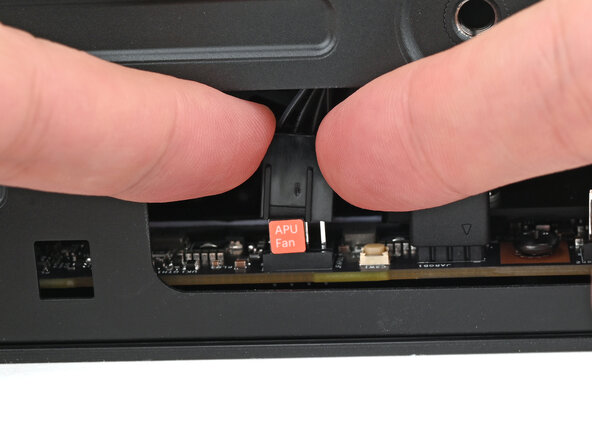
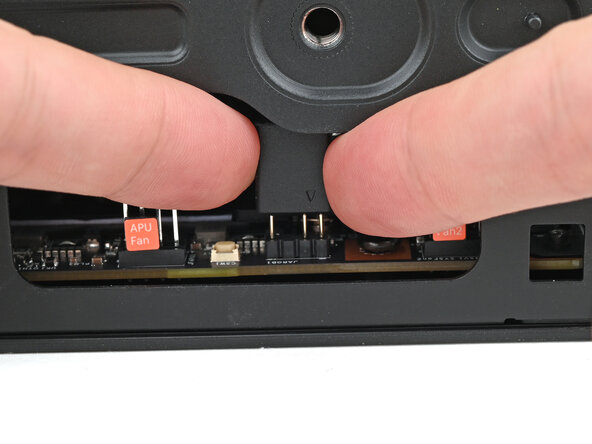
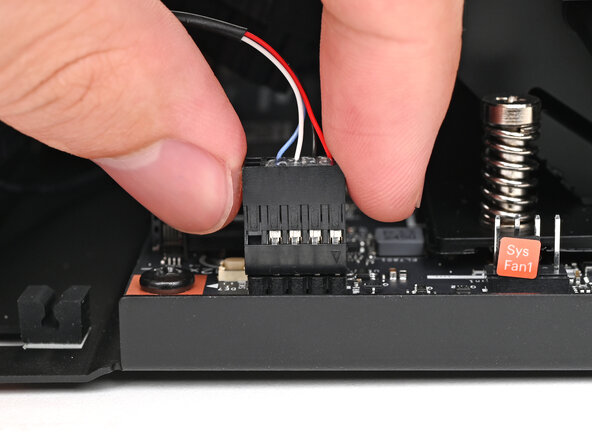
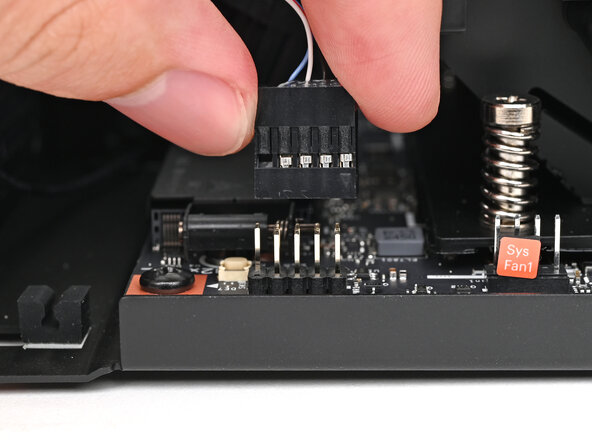
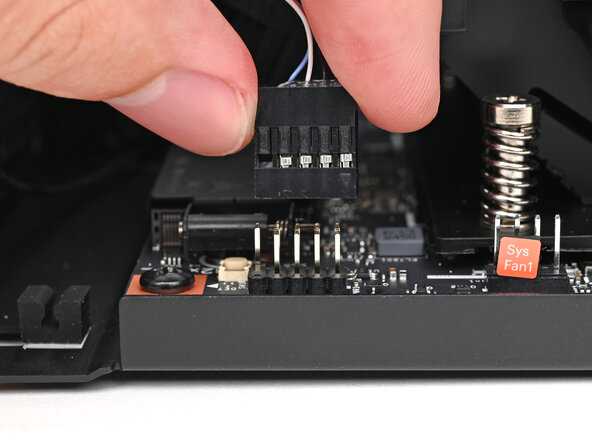
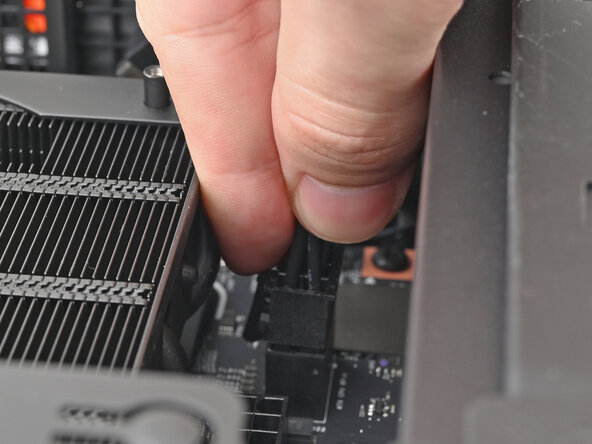
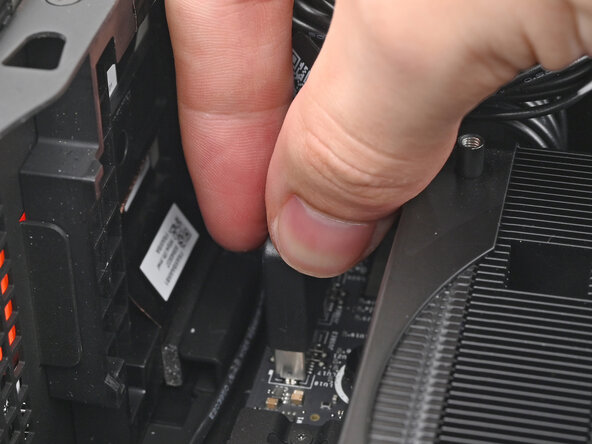
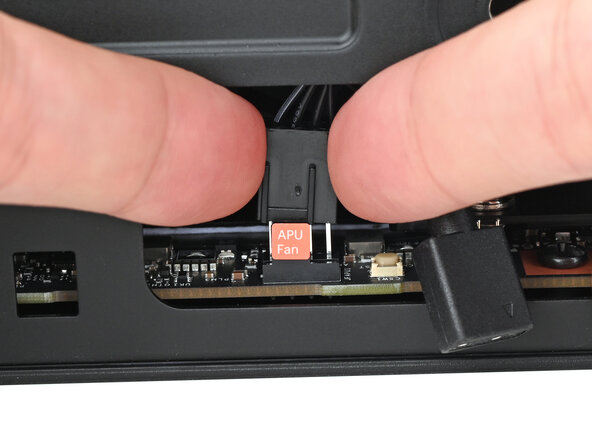
- Use your fingers to lift the APU fan cable connector off its four‑pronged socket on the Mainboard.
- If you aren't using an RGB fan, then skip this step.
- Use your fingers to lift the fan RGB cable connector off its three‑pronged socket on the Mainboard.
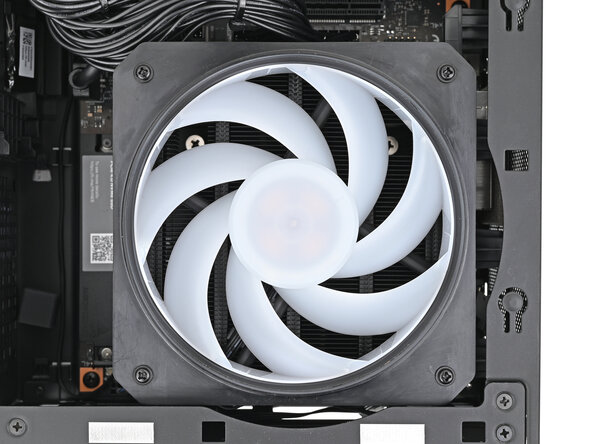
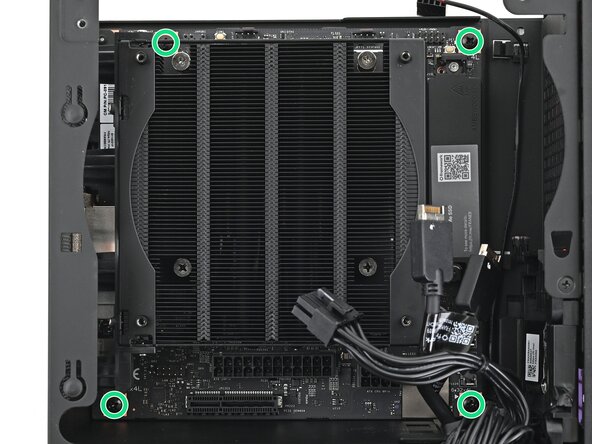
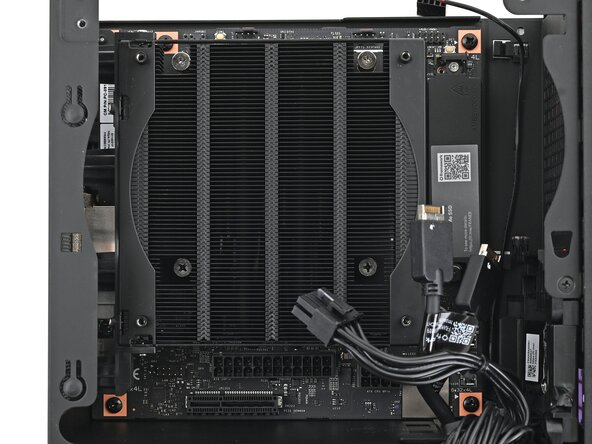
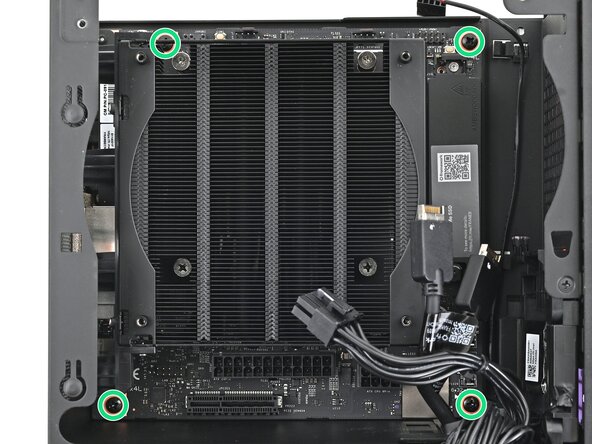
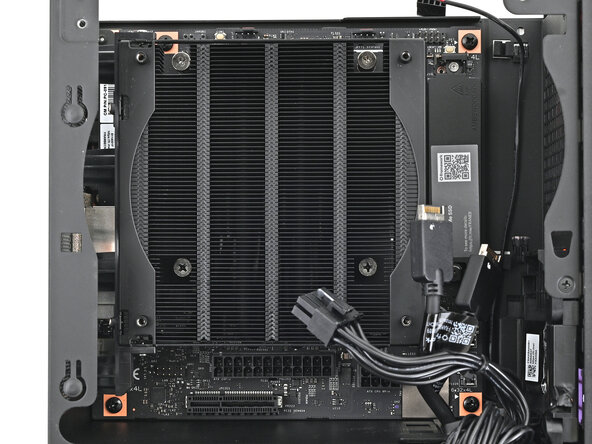
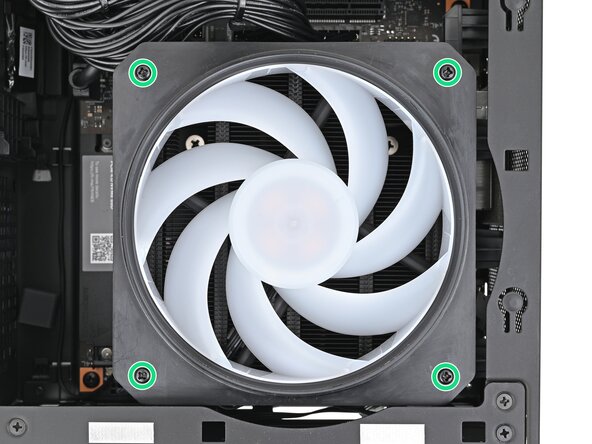
- Use your Framework Desktop Screwdriver to remove the four 27.3 mm‑long Phillips screws securing the CPU fan and fan duct.
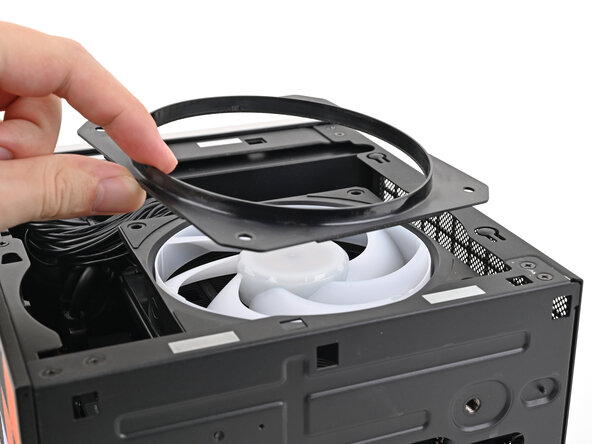
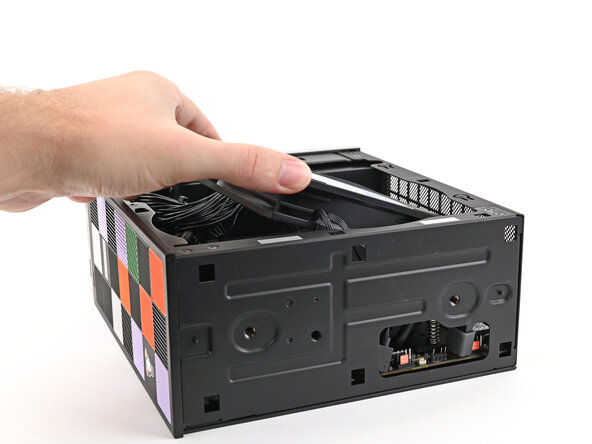
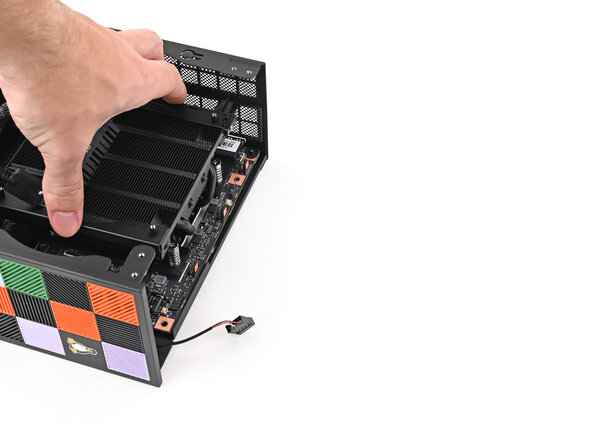
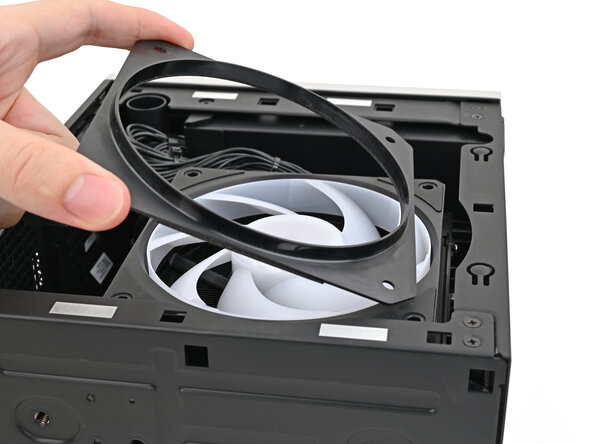
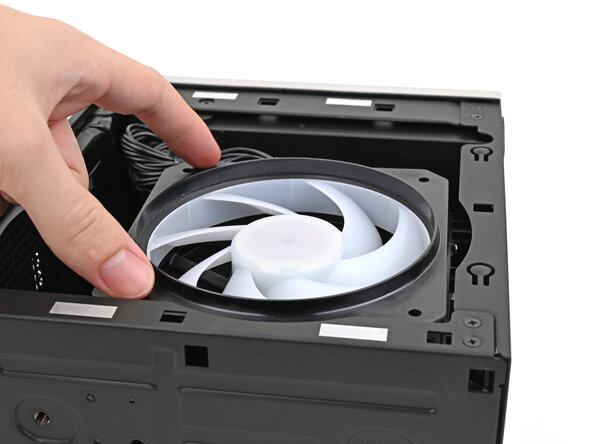
- Lift the fan duct off the fan and remove it.
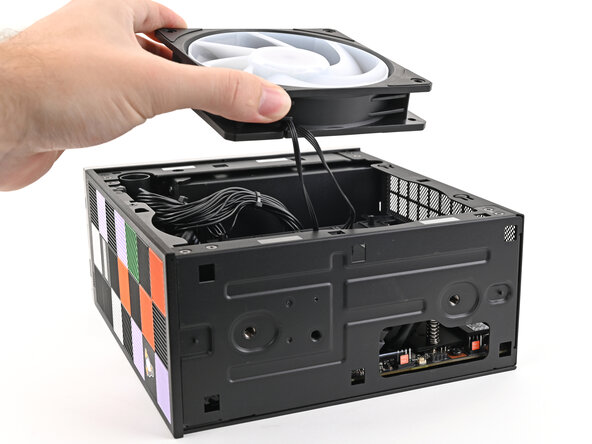
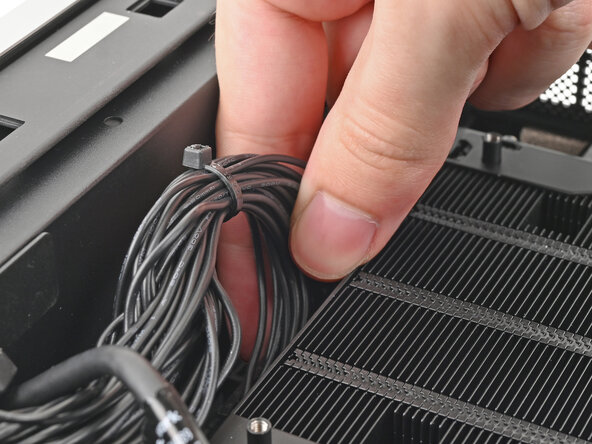
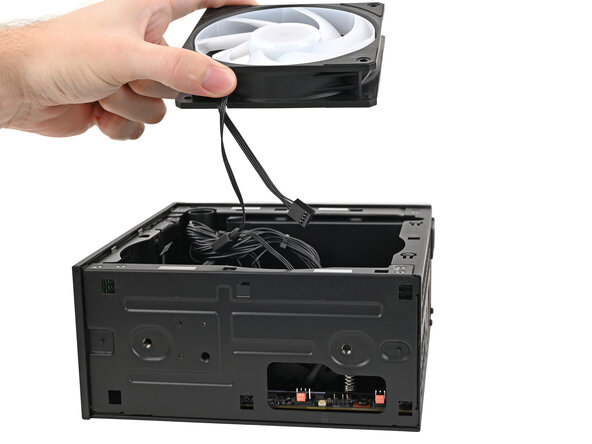
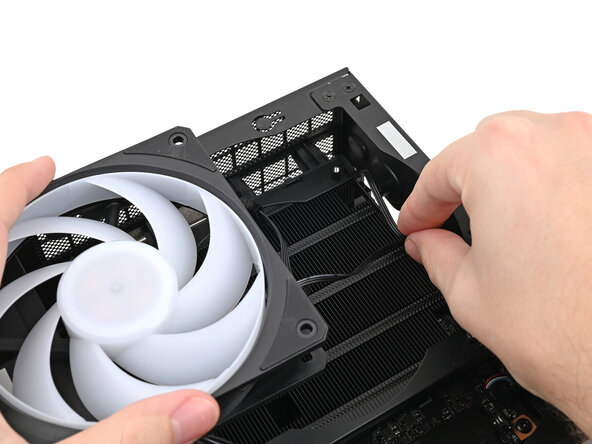
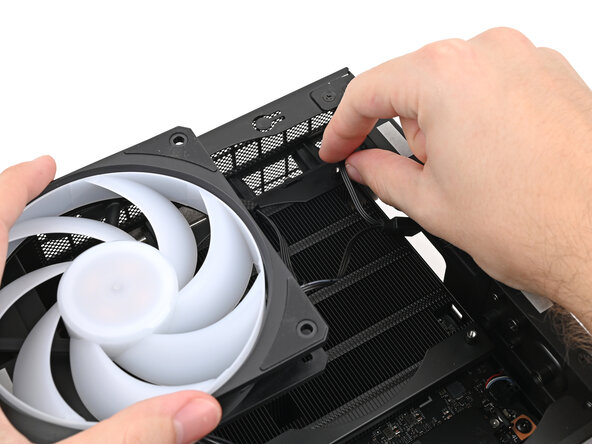
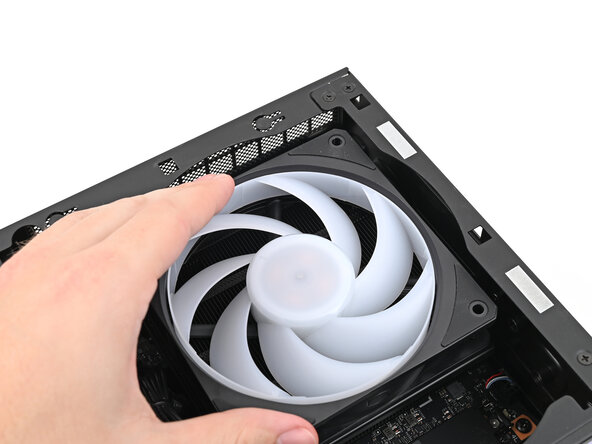
- Lift the fan out of the chassis, making sure the cables thread through the side of the heatsink.
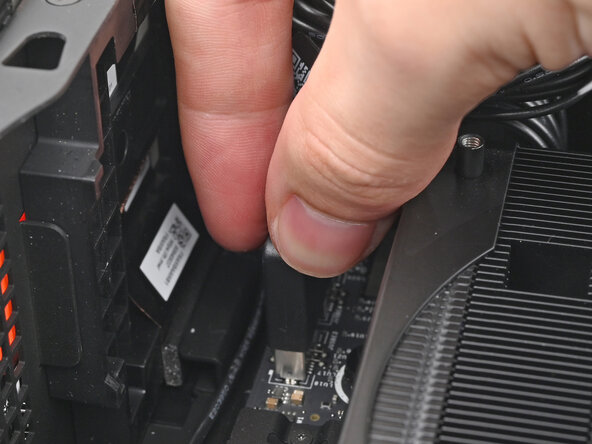
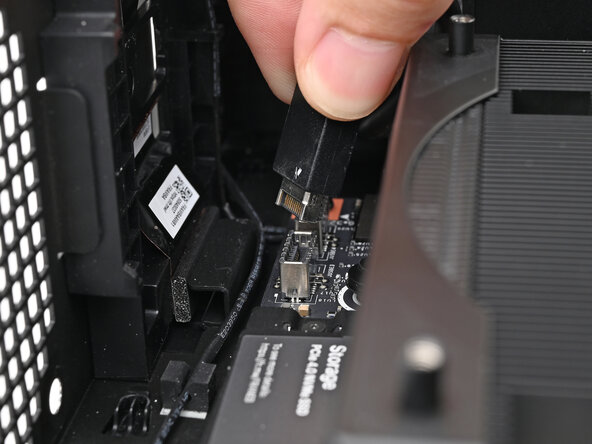
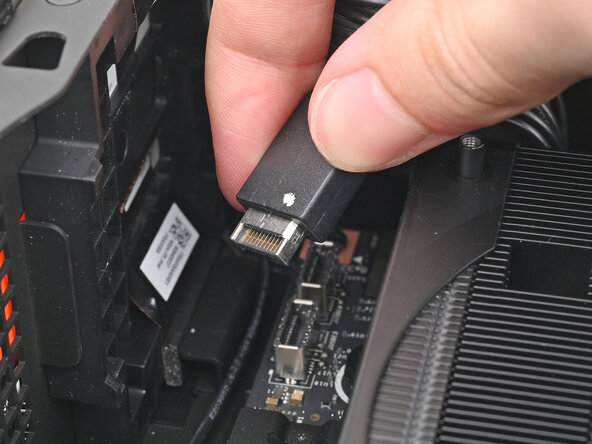
- Pull the top Expansion Card connector straight out of its socket in the Mainboard to disconnect it.
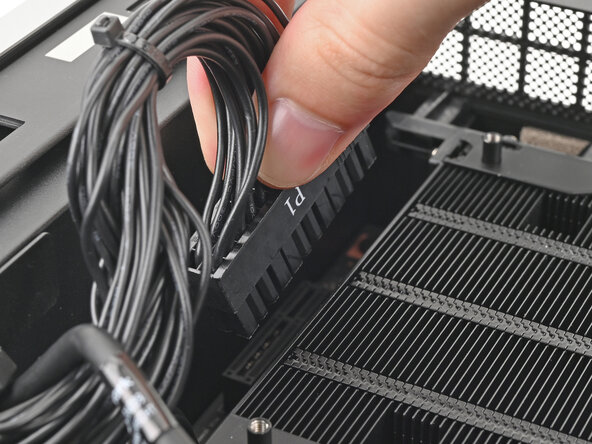
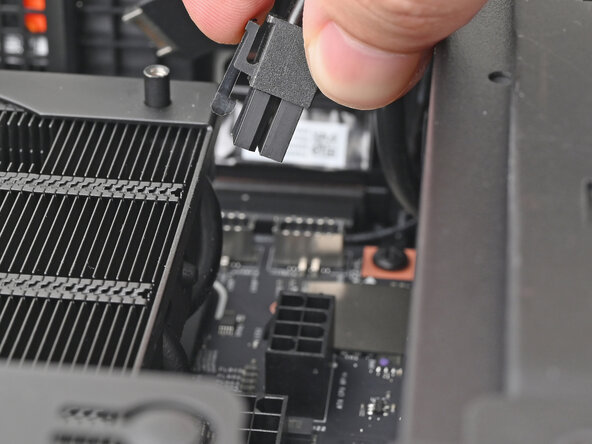
- While squeezing the clip on the main power cable, pull it straight up and out of its socket to disconnect it.
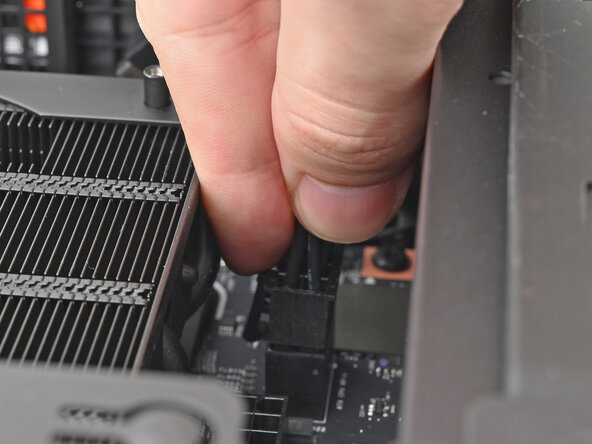
- While squeezing the clip on the CPU power cable, pull it straight up and out of its socket to disconnect it.
- Pull the bottom Expansion Card connector straight out of its socket in the Mainboard to disconnect it.
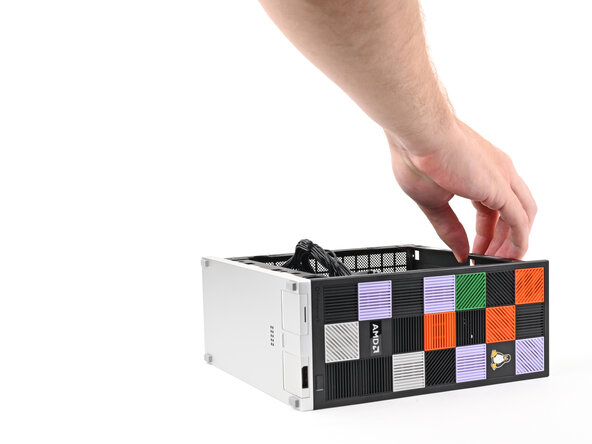
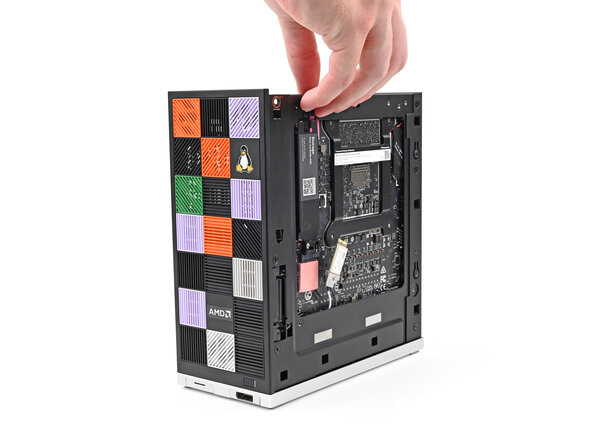
- Lift the Desktop so it stands upright on your work surface.
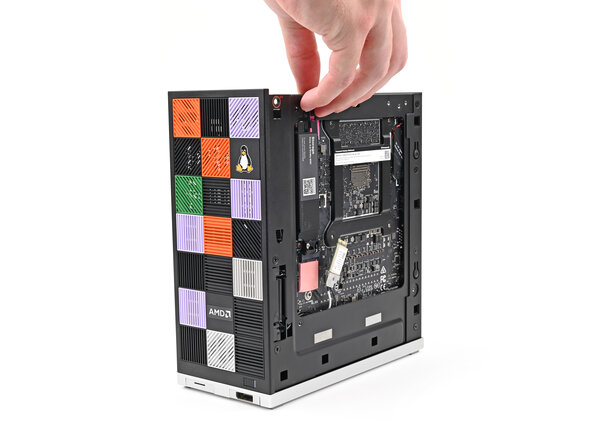
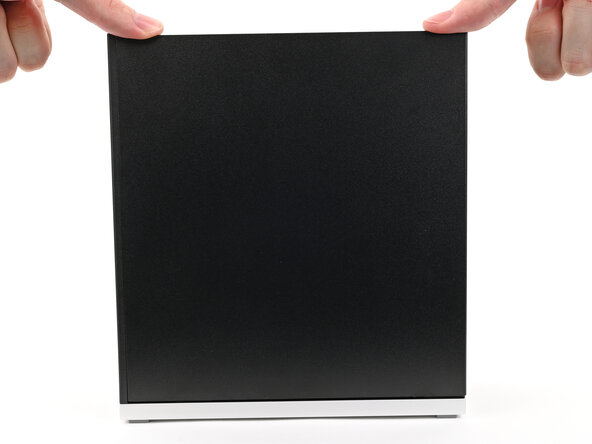
- Use your fingers to grip the top of the Right Panel and slide it upward to release its clips.
- Remove the Right Panel.
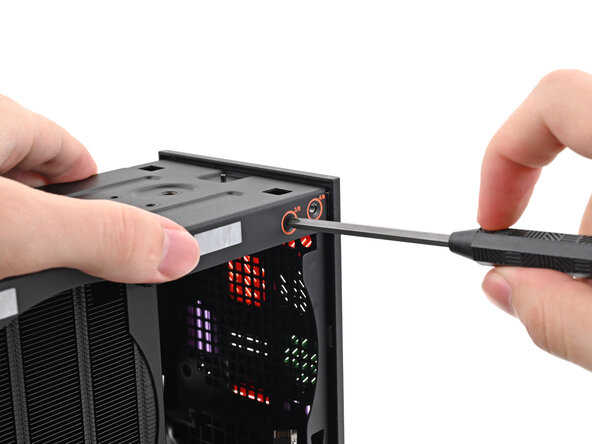
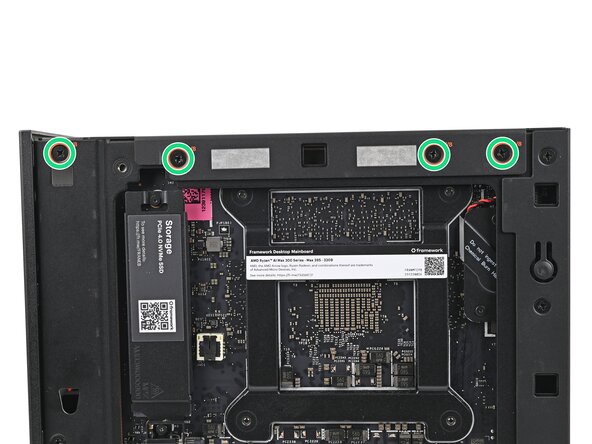
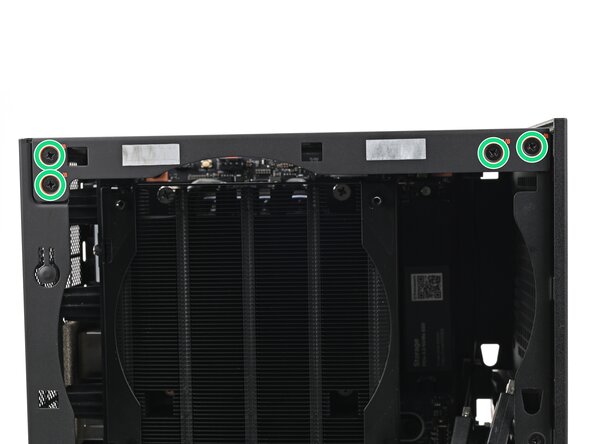
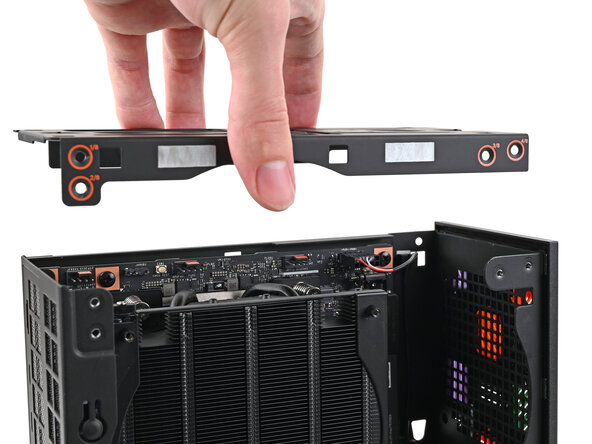
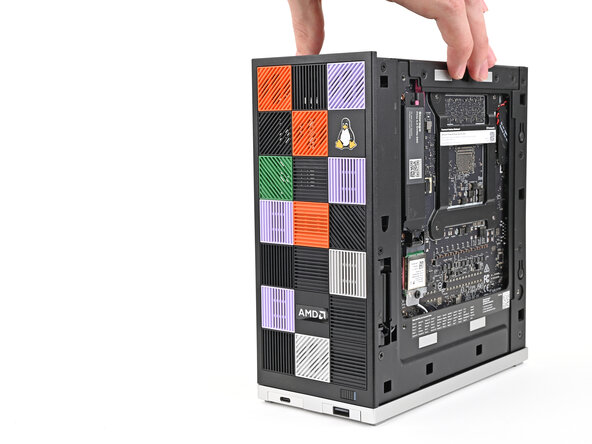
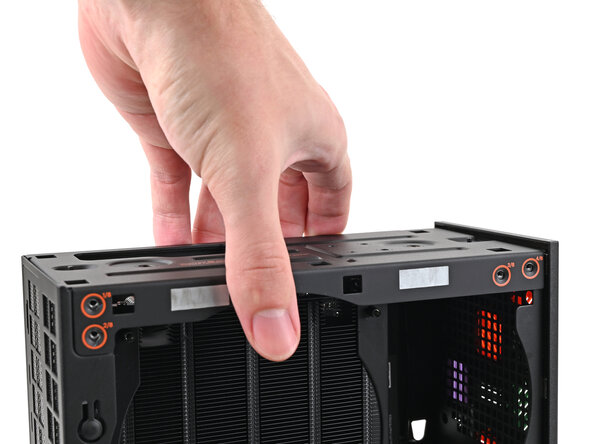
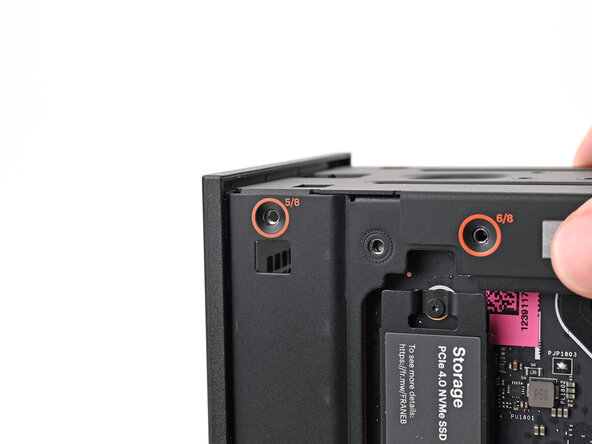
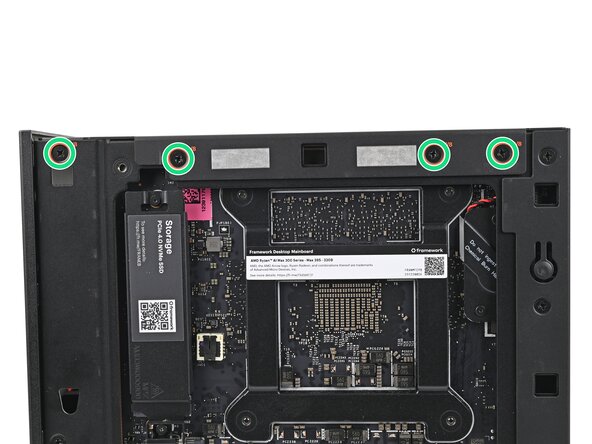
- While holding the Desktop steady, use your Framework Desktop Screwdriver to remove the eight 4.0 mm‑long Phillips screws securing the top plate.
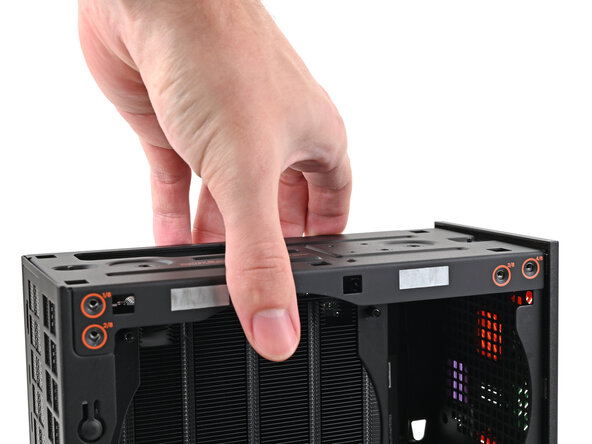
- Lift the top plate off the Desktop and remove it.
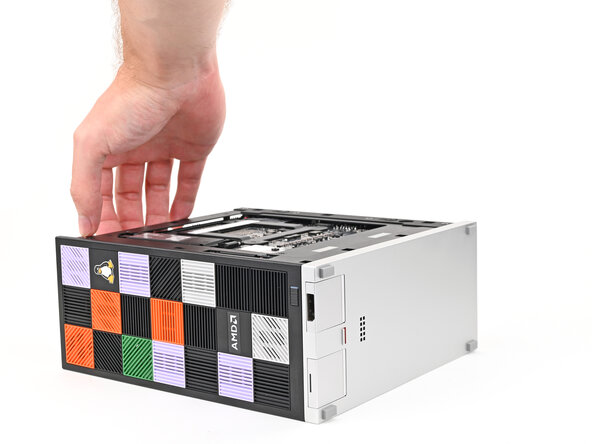
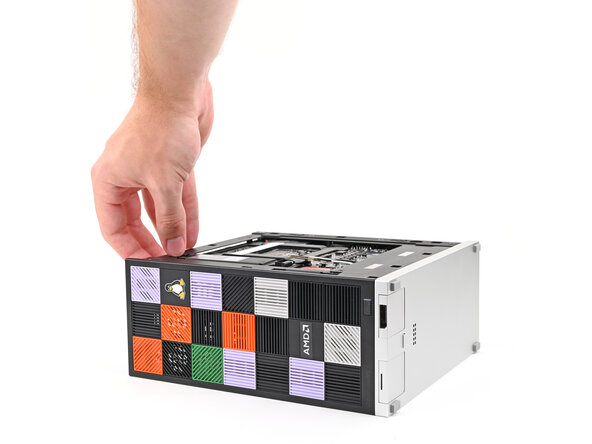
- Lay the left side of the Desktop on your work surface so the underside of the Mainboard is facing upward.
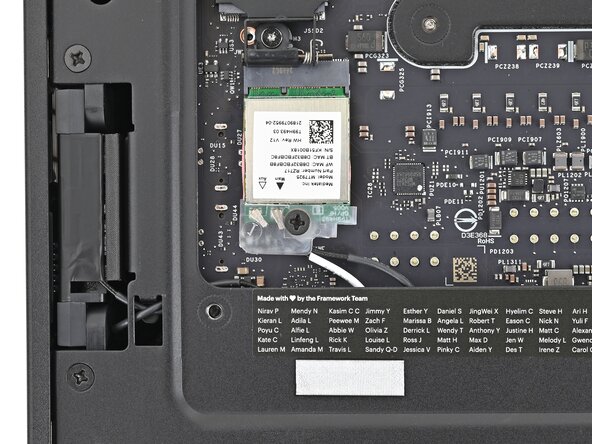
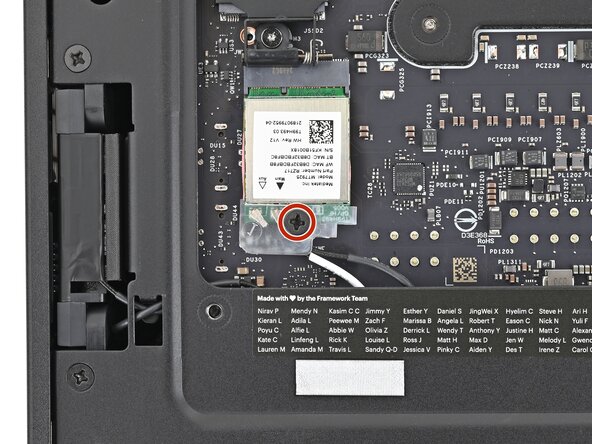
- Use your Framework Desktop Screwdriver to remove the 7.0 mm‑long Phillips screw securing the Wi-Fi module.
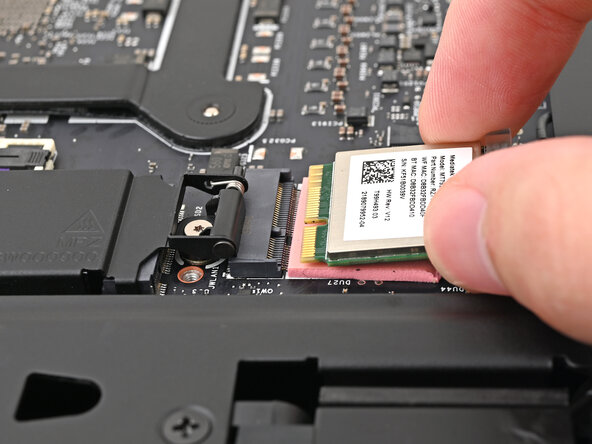
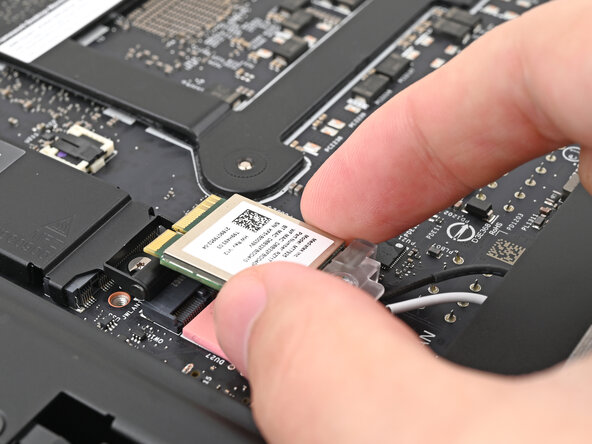
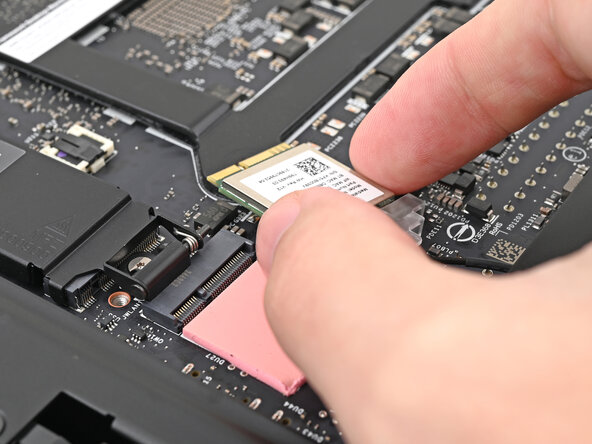
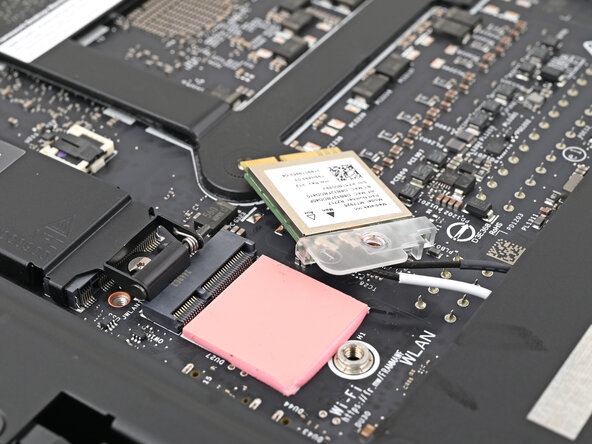
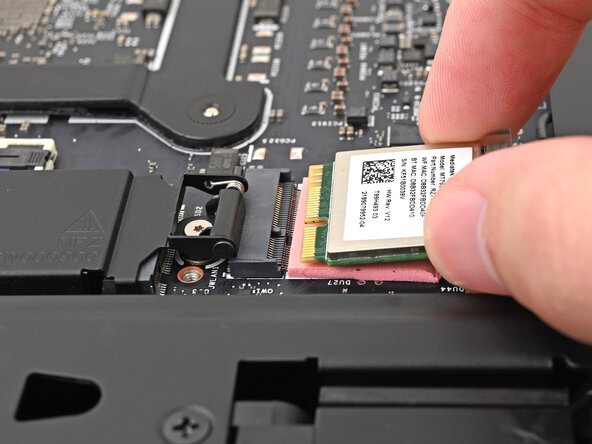
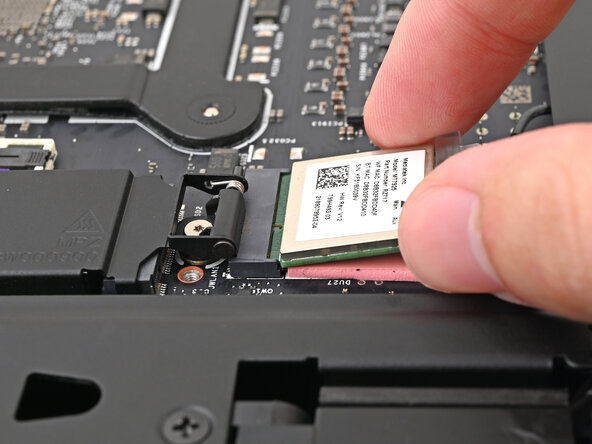
- Grip the Wi-Fi module by its edges and pull it straight out of its socket.
- Move the Wi-Fi module towards the center of the Mainboard to keep it out of the way.
- Rotate the Desktop onto its right side so the Mainboard is facing upward.
- Use your fingers to lift the power button cable connector off its nine‑pronged socket on the Mainboard.
- Use your Framework Desktop Screwdriver to remove the four 8.2 mm‑long Phillips screws securing the Mainboard.
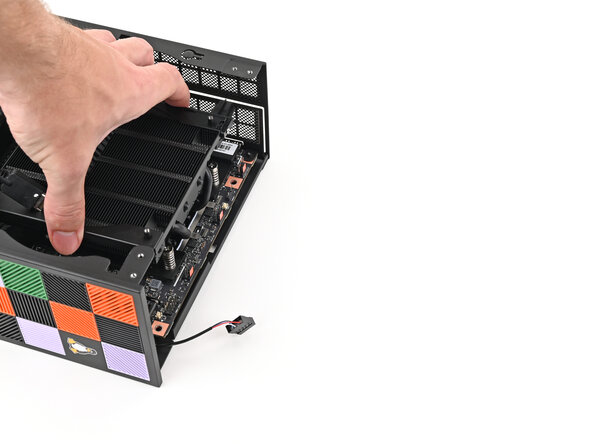
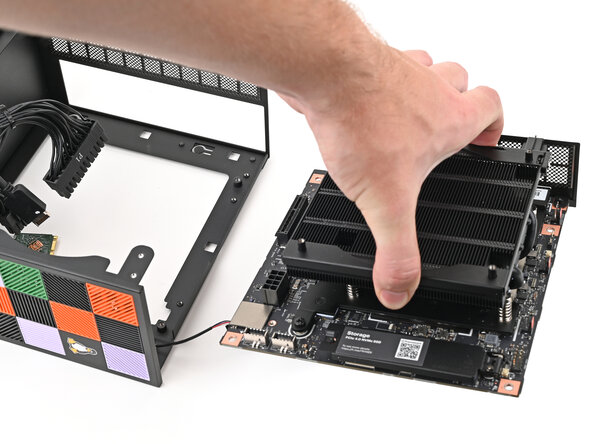
- Grab the Mainboard by its heatsink and pull it towards the front of the Desktop to slide it out of the rear port cutout.
- Slide the Mainboard towards the top of the Desktop to remove it from the chassis.
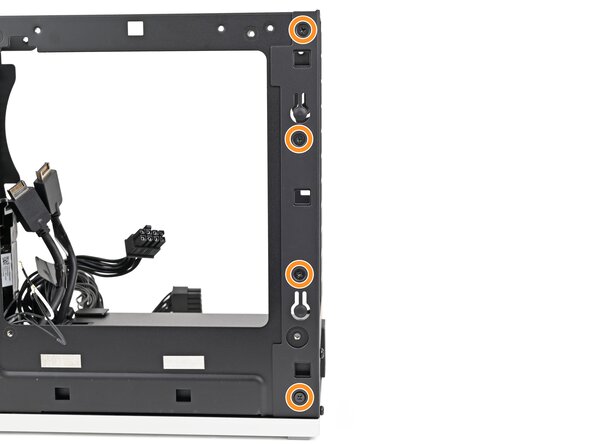
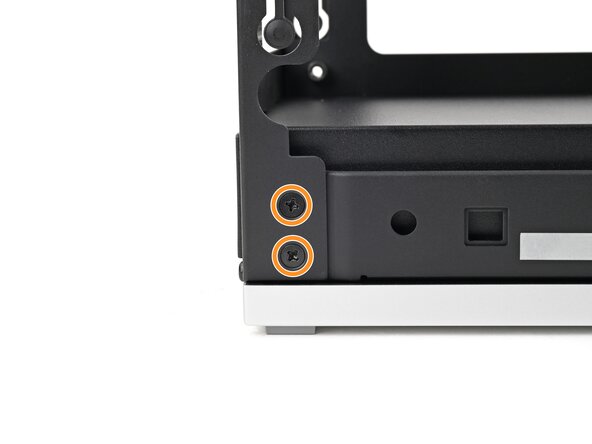
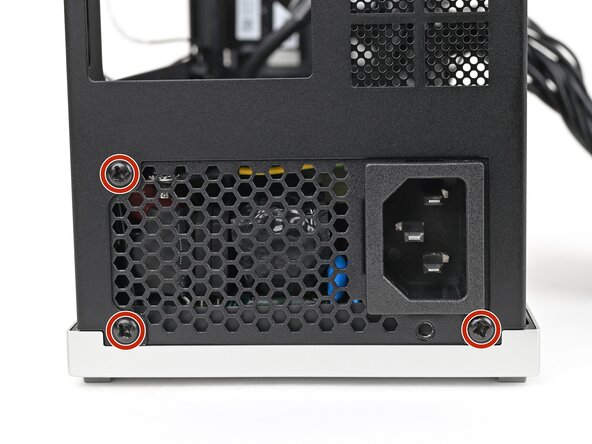
- Use your Framework Desktop Screwdriver to remove the three 5.9 mm‑long Phillips screws securing the power supply.
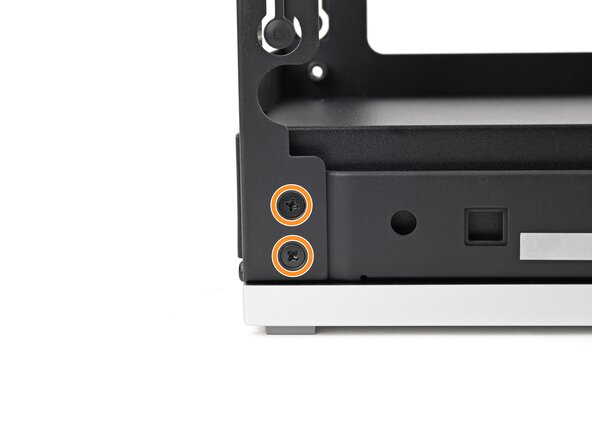
- Optionally, you can remove the six 4.0 mm‑long screws securing the rear plate to make removing the power supply easier.
- If you don't remove the rear plate screws, skip the next step.
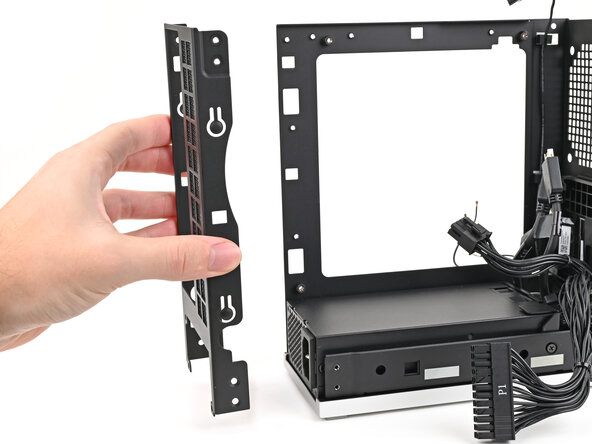
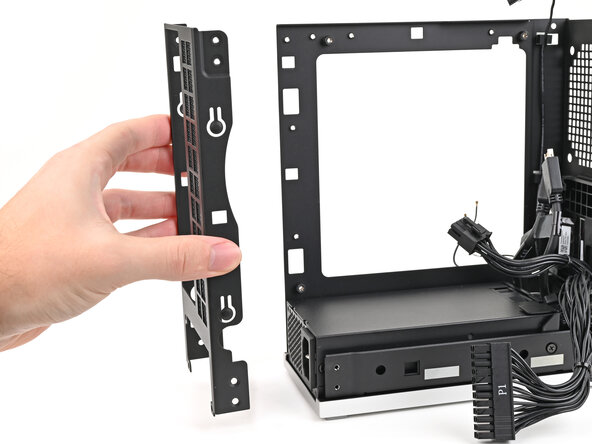
- Pull the rear plate off the back of the Desktop and remove it.
- Use your Framework Desktop Screwdriver to remove the 4.0 mm‑long Phillips screw securing the power supply.
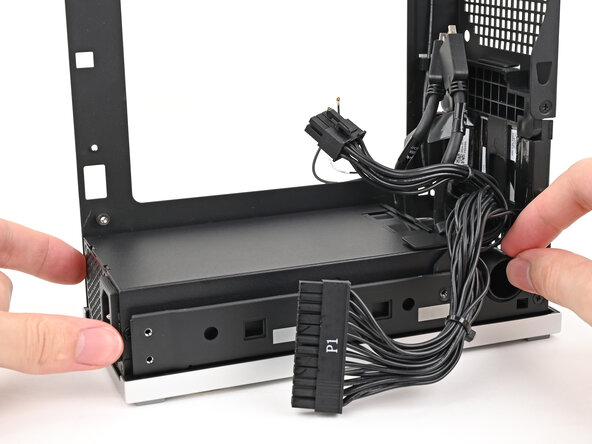
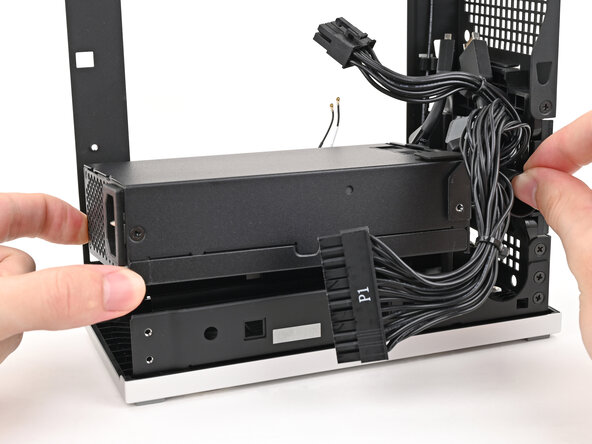
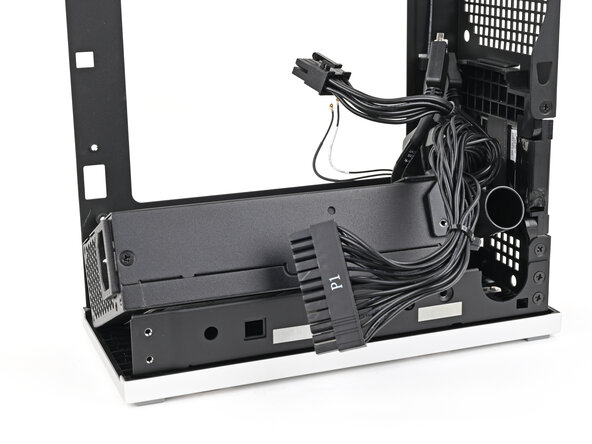
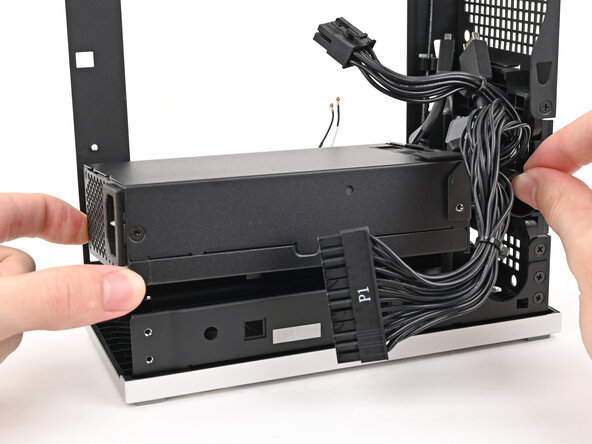
- Lift the power supply out of its slot and let it rest on the left side of the Desktop.
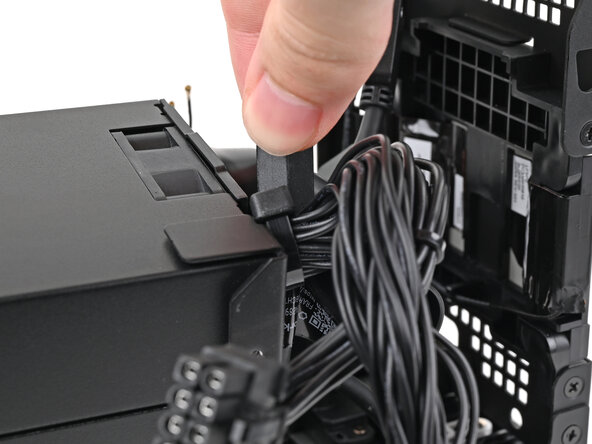
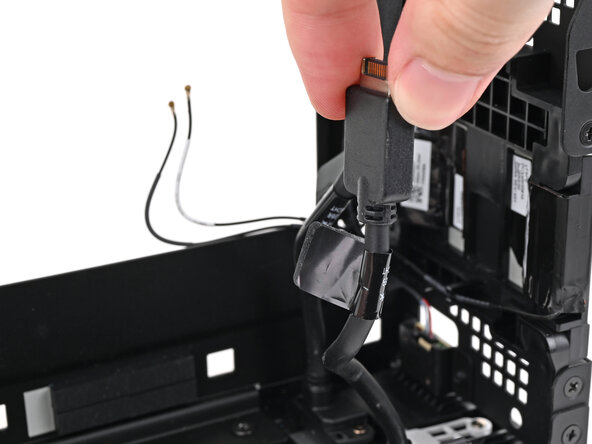
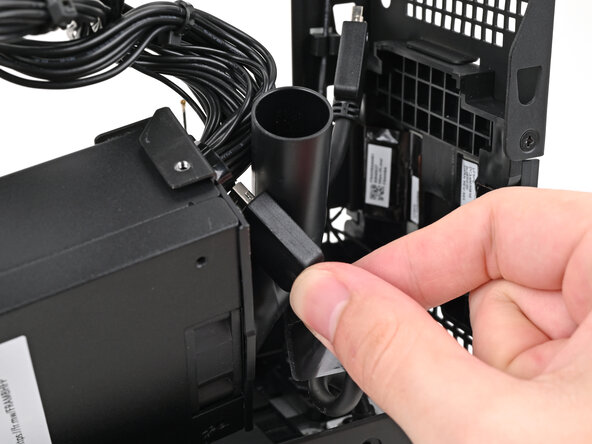
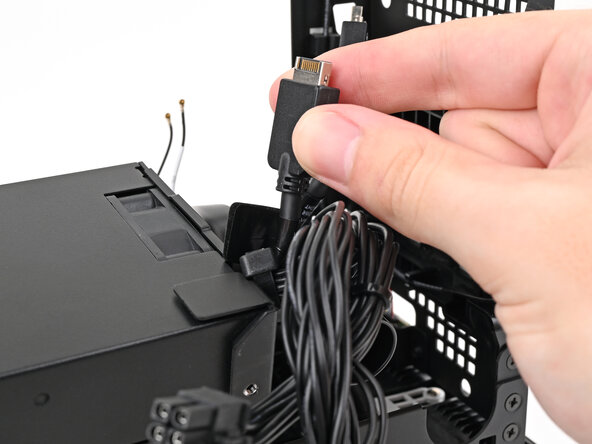
- Push the right Expansion Card cable through the gap between the power supply and its duct.
- The gap is very small and might require some force to thread the cable through.
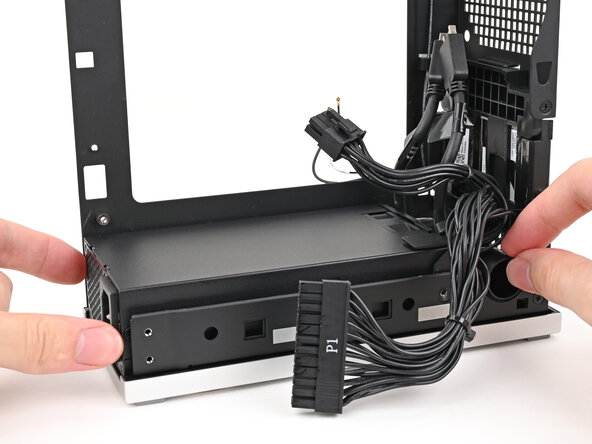
- Remove the power supply.
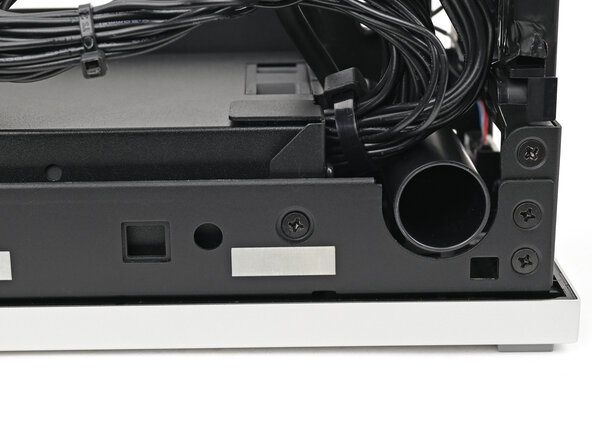
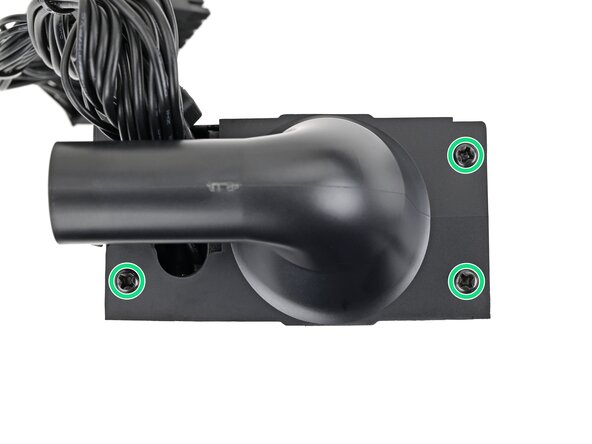
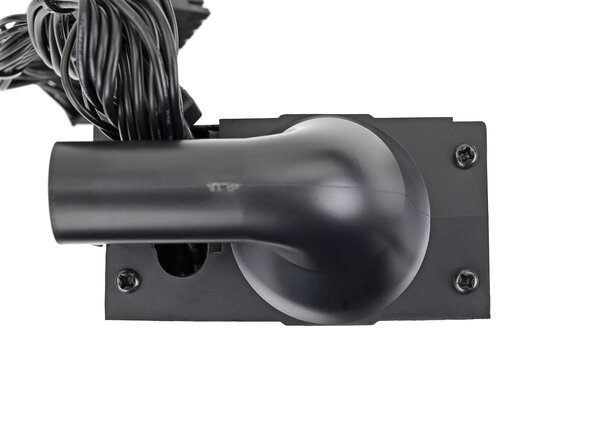
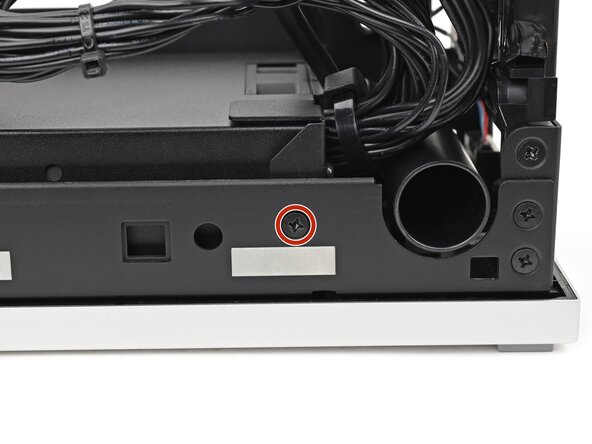
- Use your Framework Desktop Screwdriver to remove the three 5.8 mm‑long Phillips screws securing the Power Supply Duct.
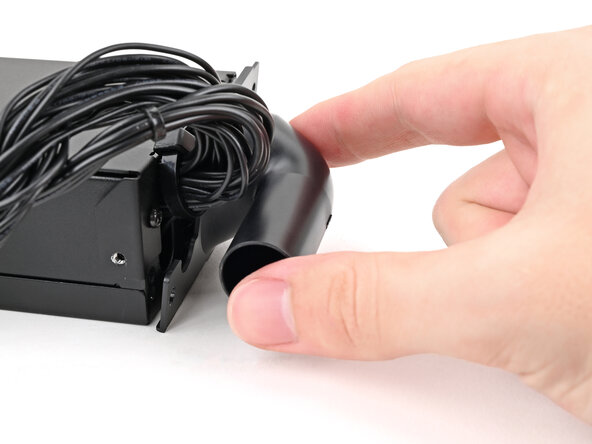
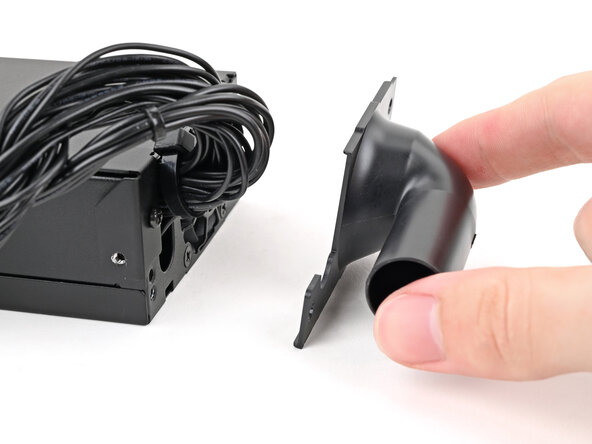
- Pull the Power Supply Duct off the power supply and remove it.
- Congratulations on completing disassembly! The remaining steps will show how to reassemble your Framework Desktop.
- Place the Power Supply Duct on the power supply.
- Use your Framework Desktop Screwdriver to Install the three 5.8 mm‑long Phillips screws securing the Power Supply Duct.
- Thread the right Expansion card cable through the gap between the power supply and its duct.
- Place the power supply into its slot in the bottom of the Desktop.
- Use your Framework Desktop Screwdriver to install the 4.0 mm‑long Phillips screw securing the power supply.
- If you didn't remove the rear plate, skip this step.
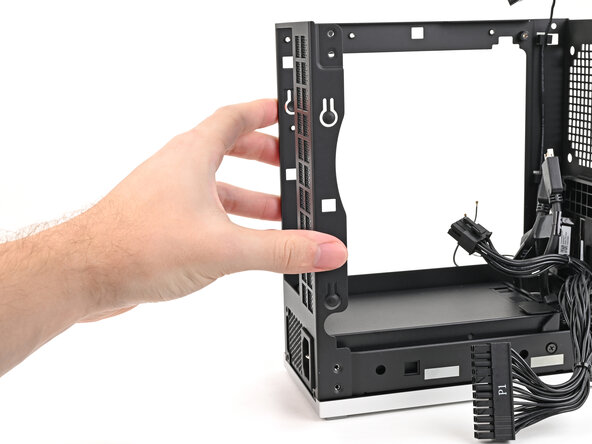
- Place the rear plate onto the back of the Desktop.
- Use your Framework Desktop Screwdriver to install the three 5.9 mm‑long Phillips screws securing the power supply.
- If you removed the rear plate, install the six 4.0 mm‑long screws securing the rear plate.
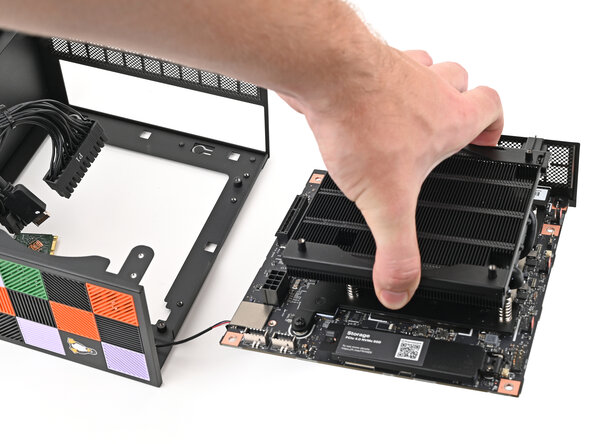
- Grab the Mainboard by its heatsink and slide it into the chassis.
- Align the rear ports with its cutout and the screw posts with the screw holes on the Mainboard.
- You'll feel the Mainboard rest onto the screw posts when it's aligned properly.
- Make sure no cables are trapped underneath the Mainboard before continuing.
- Use your Framework Desktop Screwdriver to install the four 8.2 mm‑long Phillips screws securing the Mainboard.
- Slide the power button cable over the nine-pronged connector on the Mainboard.
- Rotate the Desktop onto its left side so the underside of the Mainboard is facing upward.
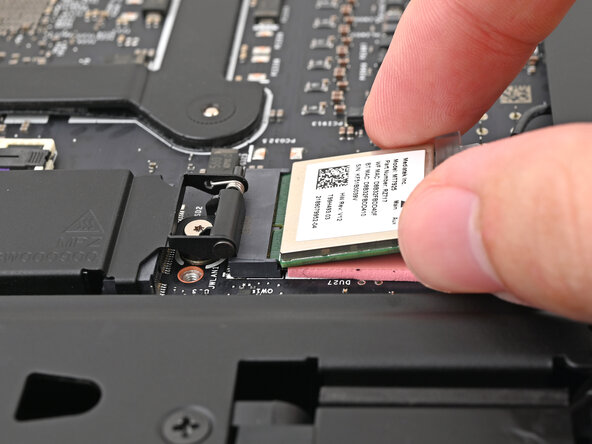
- Hold the Wi-Fi module by its edges. Don't touch the gold contacts with your fingers. If you do, wipe the contacts with a clean, lint-free cloth to remove any finger oils.
- Align the Wi-Fi module's gold contacts and notch with the socket on the Mainboard.
- Insert the Wi-Fi module into the socket at a shallow angle. The gold contacts should mostly be covered by the socket.
- The Wi-Fi module fits into the socket in one orientation. If it doesn't fit, try flipping the module.
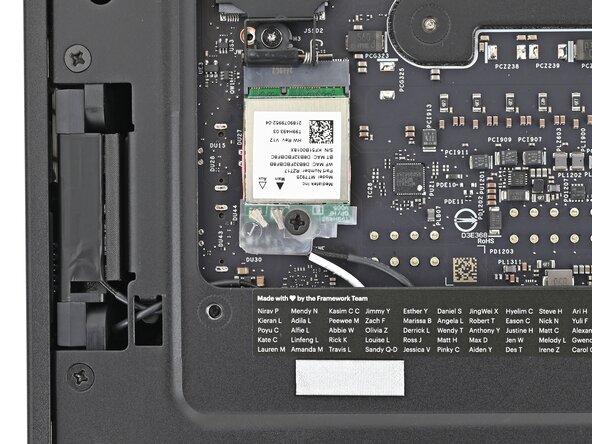
- Use your Framework Desktop Screwdriver to install the 7.0 mm‑long Phillips screw securing the Wi-Fi module.
- Rotate the Desktop so it sits upright on your work surface.
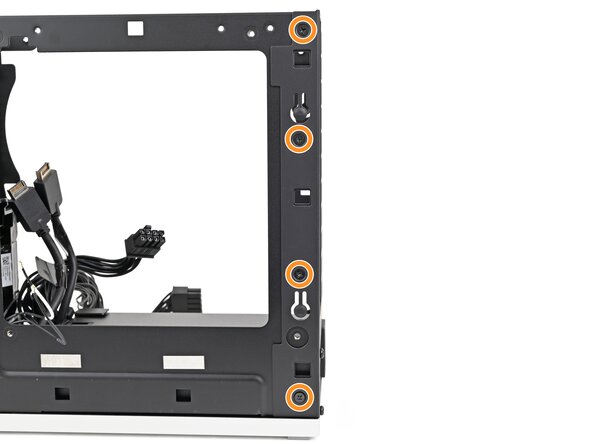
- Place the top plate on top of the Desktop, making sure it slots into the chassis so the orange circles are visible.
- Make sure the matching screw hole on the top plate labeled "5/8" is slotted on the inside of the Chassis so that the orange circle is visible.
- While holding the Desktop steady, use your Framework Desktop Screwdriver to install the eight 4.0 mm‑long Phillips screws securing the top plate.
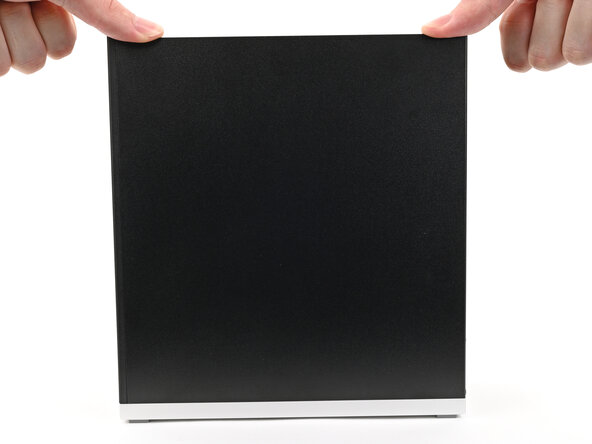
- Slide the Right Panel onto the right edge of the chassis, from top to bottom, and press it flat to ensure its clips are slotted into place.
- There should be a small gap between the bottom of the Right Panel and the silver base.
- Push the Right Panel towards the base of the computer to engage the clips.
- Lay the right side of the Desktop on your work surface so the Mainboard is facing upward.
- Slide the bottom Expansion Card cable into its socket on the Mainboard.
- Orient the CPU power supply cable so its clip is facing the heatsink.
- Slide the cable into its socket on the Mainboard until you feel it click into place.
- Orient the main power supply cable so its clip is facing away from the heatsink.
- Slide the cable into its socket on the Mainboard until you feel it click into place.
- Slide the top Expansion Card cable into its socket on the Mainboard.
- Orient the fan so its label is facing downward and the cable(s) is pointing towards the top of the computer.
- If your fan has an arrow indicating airflow direction, make sure it's pointed towards the heatsink.
- If you're using a different fan, orient it such that the fan is blowing towards the heatsink, not away.
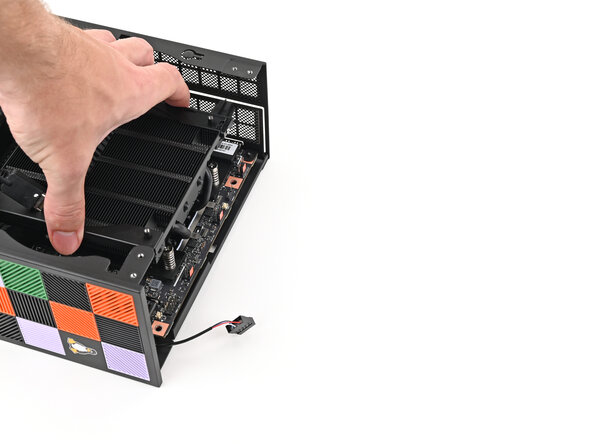
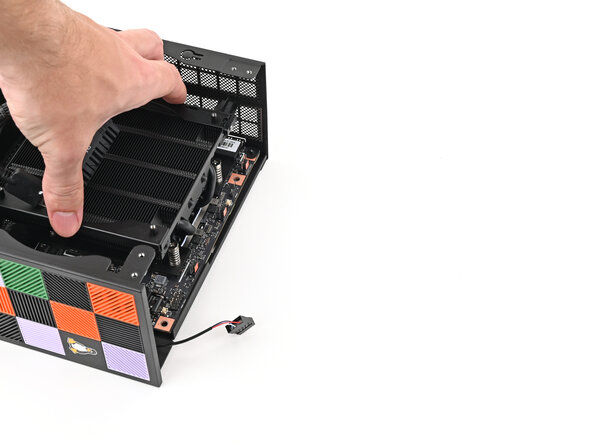
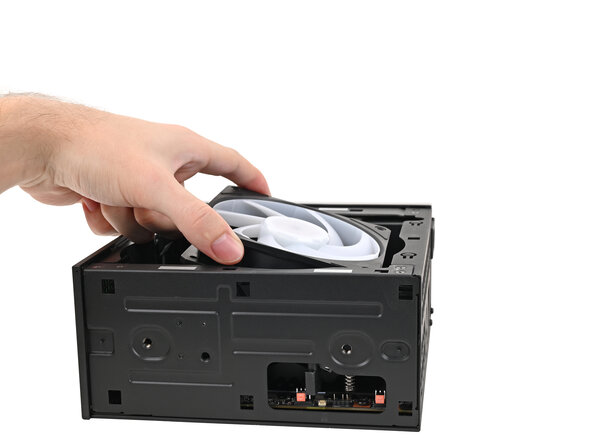
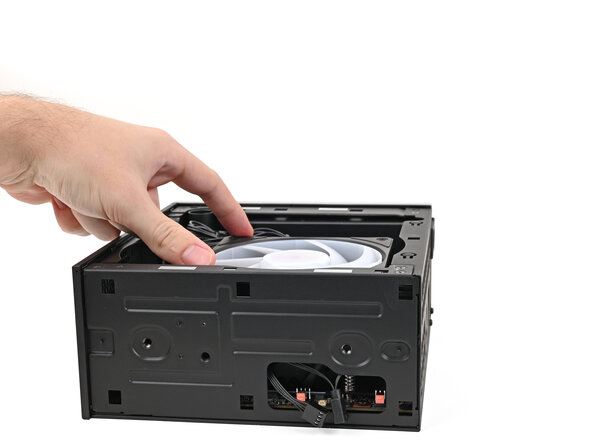
- Lay the fan on top of the heatsink, making sure the cables are routed so they poke out of the hole on the top of the computer.
- If the cables aren't routed properly, lift the fan up slightly and use your fingers to reposition the cables over the side of the heatsink.
- If you're installing an RGB fan, make sure the "male" end of the RGB cable is covered and set aside in the corner of the chassis.
- Lay the fan duct on top of the fan with the lip facing upward.
- Align the screw holes on the fan duct with the ones on the fan.
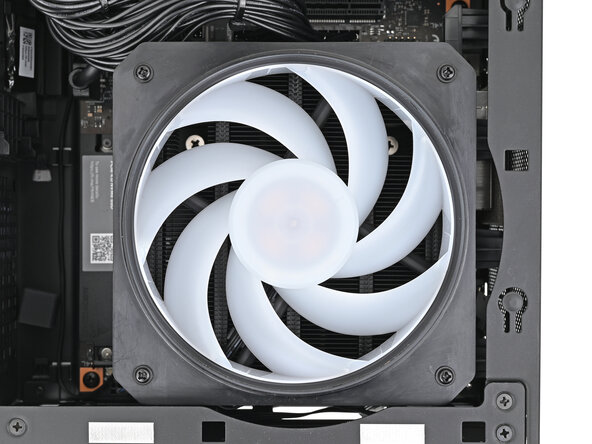
- Use your Framework Desktop Screwdriver to install the four 27.3 mm‑long screws securing the fan and fan duct.
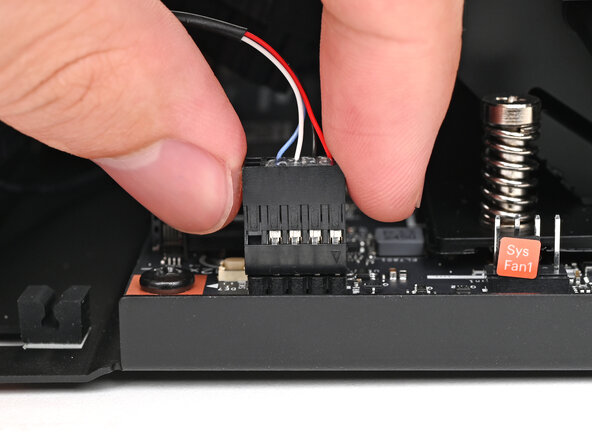
- Orient the main fan cable so its two vertical lines are facing you.
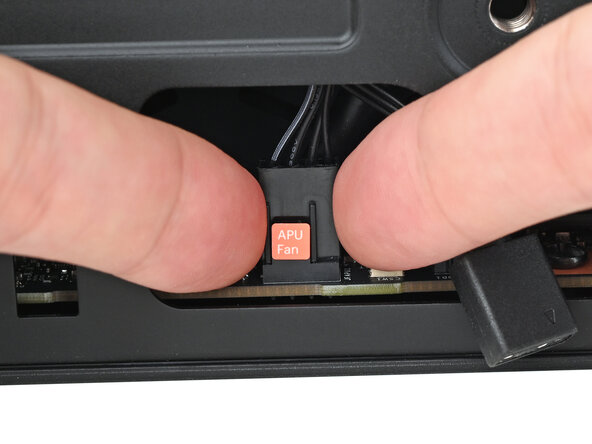
- Slide the main fan cable over the four-pronged connector labeled "APU Fan," making sure the orange label slots between the vertical lines.
- If you aren't using an RGB fan, then skip this step.
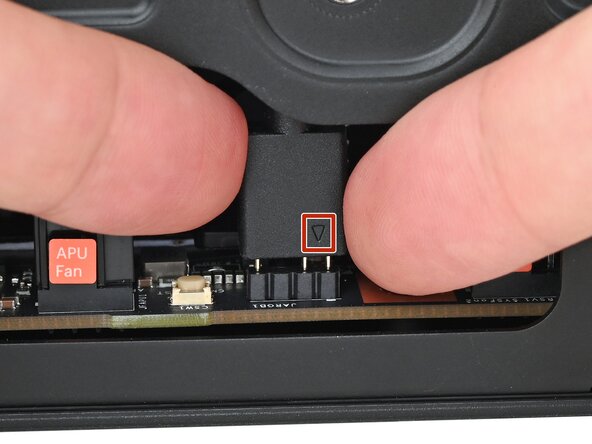
- Orient the RGB cable so the arrow is on the right side of the connector.
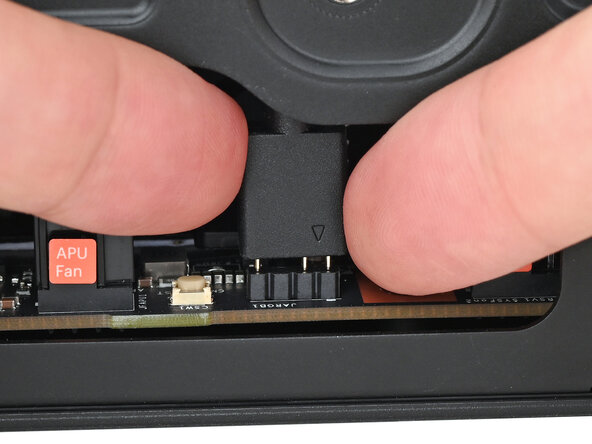
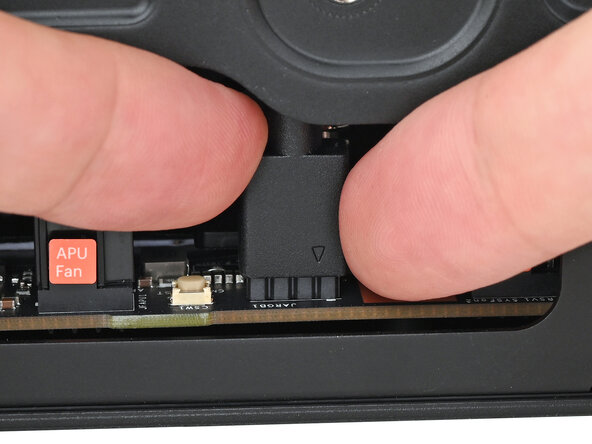
- Use your fingers to slide the RGB cable over the three pronged connector located to the right of the "APU Fan" connector.
- Slide the Left Panel onto the left edge of the chassis and press it flat to ensure its clips are slotted into place.
- There should be a small gap between the bottom of the Left Panel and the silver base.
- Push the Left Panel towards the base of the computer to close the gap and engage the clips.
- Orient the Top Panel so its arrow is pointing towards the rear of the computer.
- While holding the Top Panel at a slight downward angle, slide it across the top of the chassis (from rear to front) until you feel its clips catch.
- There should be a small gap between the Top Panel and the front of the Desktop.
- Lay the Top Panel flat on the chassis to align the remaining clips.
- While securing the computer with one hand, use the other hand to slide the Top Panel towards the front of the computer to close the gap and engage the clips.
- If you're installing the Handle on your Desktop, follow this step. Otherwise, skip it.
- Place the Handle over the Top Panel screw holes.
- While holding the Handle in place, twist the screw threads on both sides clockwise until they're snug on the Top Panel.
- Insert the top panel screw into its hole and twist clockwise until it feels snug.
- Repeat the same procedure for the other top panel screw.
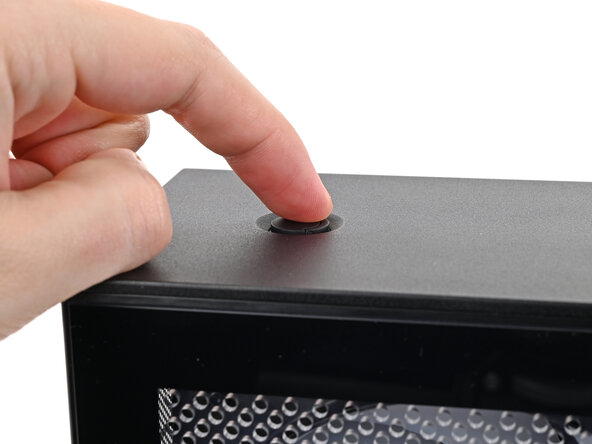
- Use your finger to close the two D-rings on the top panel screws.